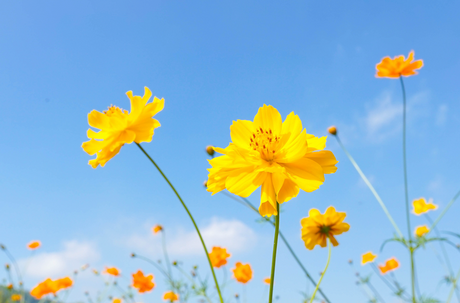
Persian Star is a purple stripe harneck type garlic. Produces a medium bulb with 9-12 cloves. Bright colored cloves that are marbled purple with a white or yellow background. Flavor is a mild spicy.
🚚 FREE -&-FAST SHIPPING when you spend $10 or more today (limited time only)

🎄 15% OFF SITE-WIDE w/code:

Garlic - (Hard Neck) Mexican Violet
Garlic can be planted in the spring as soon as the ground can be worked, but fall planting is recommended. Bulbs will grow bigger and more flavorful when you plant them in the fall. Plant 6 to 8 weeks before your first hard frost. In southern areas, February or March can be a better time to plant.
Key Planting Info:
Click here for a more detailed Garlic Grow Guide ->

Garlic - (Hard Neck) Persian Star
Persian Star is a purple stripe harneck type garlic. Produces a medium bulb with 9-12 cloves. Bright colored cloves that are marbled purple with a white or yellow background. Flavor is a mild spicy.
Garlic can be planted in the spring as soon as the ground can be worked, but fall planting is recommended. Bulbs will grow bigger and more flavorful when you plant them in the fall.
Key Planting Info:
Click here for a more detailed Garlic Grow Guide ->

Garlic - (Hard Neck) Porcelain German
Grows a very large bulb containing easy to peel cloves. The white wrappers have delicate purple stripes. This one is #1 on taste. Stores up to six months. Does well in any climate.
Garlic can be planted in the spring as soon as the ground can be worked, but fall planting is recommended. Bulbs will grow bigger and more flavorful when you plant them in the fall. Plant 6 to 8 weeks before your first hard frost. In southern areas, February or March can be a better time to plant.
Key Planting Info:
Click here for a more detailed Garlic Grow Guide ->

Garlic - (Hard Neck) Porcelain Musik
Porcelain Musik is a hardneck variety that is well-suited for garden cultivation in temperate regions. It produces large, firm bulbs with a rich, complex flavor favored by chefs and gardeners alike. This variety develops a robust scape and exhibits excellent cold tolerance, allowing it to mature fully in cooler climates. Its natural resistance to diseases and pests ensures a dependable crop. Porcelain Musik’s cloves are easy to peel and store well, making it an outstanding choice for gardeners seeking premium garlic with superior taste and reliability.
Garlic can be planted in the spring as soon as the ground can be worked, but fall planting is recommended. Bulbs will grow bigger and more flavorful when you plant them in the fall. Plant 6 to 8 weeks before your first hard frost. In southern areas, February or March can be a better time to plant.
Key Planting Info:
Click here for a more detailed Garlic Grow Guide ->

Garlic - (Hard Neck) Purple Creole
Purple Creole is a hard neck type garlic. Best for raw eating, and produces dark purple colored cloves. Great hard neck to grow in Florida and along the Gulf Coast.
Garlic can be planted in the spring as soon as the ground can be worked, but fall planting is recommended. Bulbs will grow bigger and more flavorful when you plant them in the fall. Plant 6 to 8 weeks before your first hard frost. In southern areas, February or March can be a better time to plant.
Key Planting Info:
Click here for a more detailed Garlic Grow Guide ->

Garlic - (Hard Neck) Red Grain
Red Grain is a purple stipe hardneck type garlic. It produces 9-12 medium size cloves. White with red streaks throughout. Spicy in flavor, but sweet when cooked.
Garlic can be planted in the spring as soon as the ground can be worked, but fall planting is recommended. Bulbs will grow bigger and more flavorful when you plant them in the fall.
Key Planting Info:
Click here for a more detailed Garlic Grow Guide ->

Garlic - (Hard Neck) Russian Red
• Hard neck
• Rocambole
Garlic can be planted in the spring as soon as the ground can be worked, but fall planting is recommended. Bulbs will grow bigger and more flavorful when you plant them in the fall. Plant 6 to 8 weeks before your first hard frost. In southern areas, February or March can be a better time to plant.
Key Planting Info:
Click here for a more detailed Garlic Grow Guide ->

Garlic - (Hard Neck) Spanish Roja
Gourmet garlic famous for flavor! Light purple streaks on 7-13 easy-to-peel cloves. Suited to colder climates. May not yield well where winters are too mild. Very popular with market gardeners and restaurants. Brought to the Northwest before 1900; often called “Greek Blue”.
Garlic can be planted in the spring as soon as the ground can be worked, but fall planting is recommended. Bulbs will grow bigger and more flavorful when you plant them in the fall.
Key Planting Info:
Click here for a more detailed Garlic Grow Guide ->

This hard neck packs a punch! Strong, hot and full flavored, Svea is perfect for baking and is a favorite with chefs. Fat, purple streaked, easy to peel cloves per bulb. Thrives in colder climates, good storage.
Svea is a robust variety prized for its strong flavor and reliable growth in cooler climates. This hard-neck garlic produces large cloves with easy-to-peel skins, ideal for culinary use. Its sturdy neck supports the formation of a scape, signaling optimal harvest time. Svea thrives in well-drained soils and benefits from a cold dormant period, making it well-suited for gardeners seeking a hardy, flavorful garlic that stores well through the winter months.
Garlic can be planted in the spring as soon as the ground can be worked, but fall planting is recommended. Bulbs will grow bigger and more flavorful when you plant them in the fall. Plant 6 to 8 weeks before your first hard frost. In southern areas, February or March can be a better time to plant.
Key Planting Info:
Click here for a more detailed Garlic Grow Guide ->

Garlic - (Hard Neck) Ukranian Red
Ukrainian Red is a Rocambole hardneck type garlic. Produces 7-10 large cloves that are easy to peel. Strong spicy flavor when raw, but milds with cooking. Cloves are brownish red in color.
Garlic can be planted in the spring as soon as the ground can be worked, but fall planting is recommended. Bulbs will grow bigger and more flavorful when you plant them in the fall. Plant 6 to 8 weeks before your first hard frost. In southern areas, February or March can be a better time to plant.
Key Planting Info:
Click here for a more detailed Garlic Grow Guide ->

Violet is an Asiatic type hard neck. Bulbs are white colored with purple streaks. It produces big bulbs with 10-12 large cloves. Flavor tends to be slightly spicy.
Garlic can be planted in the spring as soon as the ground can be worked, but fall planting is recommended. Bulbs will grow bigger and more flavorful when you plant them in the fall. Plant 6 to 8 weeks before your first hard frost. In southern areas, February or March can be a better time to plant.
Key Planting Info:
Click here for a more detailed Garlic Grow Guide ->

Garlic - (Soft Neck) - Elephant (Organic)
Elephant Garlic (Soft Neck, Organic) is a standout choice for any garden, offering impressively large cloves with a mild, delicious flavor that enhances a variety of dishes. Its easy-to-grow nature thrives in well-drained soil and full sun, making it perfect for organic gardeners seeking a sustainable, chemical-free crop. The soft neck allows for convenient storage and beautiful braided harvests. Choose Elephant Garlic to enjoy a bountiful, flavorful harvest that elevates your cooking while supporting natural gardening practices. This is garlic you’ll love to grow and savor.
Garlic can be planted in the spring as soon as the ground can be worked, but fall planting is recommended. Bulbs will grow bigger and more flavorful when you plant them in the fall. Plant 6 to 8 weeks before your first hard frost. In southern areas, February or March can be a better time to plant.
Key Planting Info:
Click here for a more detailed Garlic Grow Guide ->

Garlic - (Soft Neck) California Early (Organic)
California Early is a premium variety prized for its soft, pliable necks, making it ideal for braiding and long-term storage. Grown organically, this early-maturing garlic thrives in diverse climates, producing robust bulbs with rich flavor perfect for culinary and medicinal use. Its adaptable growth habit suits home gardens and small farms, delivering reliable yields of quality garlic while supporting sustainable agriculture practices.
Garlic can be planted in the spring as soon as the ground can be worked, but fall planting is recommended. Bulbs will grow bigger and more flavorful when you plant them in the fall. Plant 6 to 8 weeks before your first hard frost. In southern areas, February or March can be a better time to plant.
Key Planting Info:
Click here for a more detailed Garlic Grow Guide ->

Garlic - (Soft Neck) Early Purple Italian (Organic)
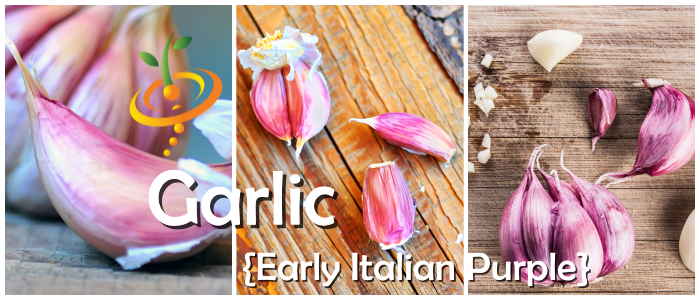
Garlic can be planted in the spring as soon as the ground can be worked, but fall planting is recommended. Bulbs will grow bigger and more flavorful when you plant them in the fall. Plant 6 to 8 weeks before your first hard frost. In southern areas, February or March can be a better time to plant.
Key Planting Info:
Click here for a more detailed Garlic Grow Guide ->

Garlic - (Soft Neck) Inchelium Red (Organic)
Garlic can be planted in the spring as soon as the ground can be worked, but fall planting is recommended. Bulbs will grow bigger and more flavorful when you plant them in the fall. Plant 6 to 8 weeks before your first hard frost. In southern areas, February or March can be a better time to plant.
Key Planting Info:
Click here for a more detailed Garlic Grow Guide ->

Garlic - (Soft Neck) Italian Late (Organic)
Garlic can be planted in the spring as soon as the ground can be worked, but fall planting is recommended. Bulbs will grow bigger and more flavorful when you plant them in the fall. Plant 6 to 8 weeks before your first hard frost. In southern areas, February or March can be a better time to plant.
Key Planting Info:
Click here for a more detailed Garlic Grow Guide ->

Garlic - (Soft Neck) Nootka Rose (Organic)

This heirloom garlic has medium to large bulb.
Garlic can be planted in the spring as soon as the ground can be worked, but fall planting is recommended. Bulbs will grow bigger and more flavorful when you plant them in the fall. Plant 6 to 8 weeks before your first hard frost. In southern areas, February or March can be a better time to plant.
Key Planting Info:

Garlic - (Soft Neck) Silver Rose (Organic)
This heirloom garlic has medium to large bulb.
Garlic can be planted in the spring as soon as the ground can be worked, but fall planting is recommended. Bulbs will grow bigger and more flavorful when you plant them in the fall. Plant 6 to 8 weeks before your first hard frost. In southern areas, February or March can be a better time to plant.
Key Planting Info:
Click here for a more detailed Garlic Grow Guide ->


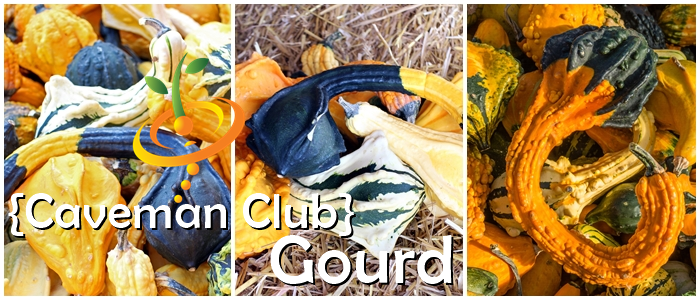


Gourd - Dipper, Long Handle seeds


Gourd - Large Bottle "Birdhouse" seeds


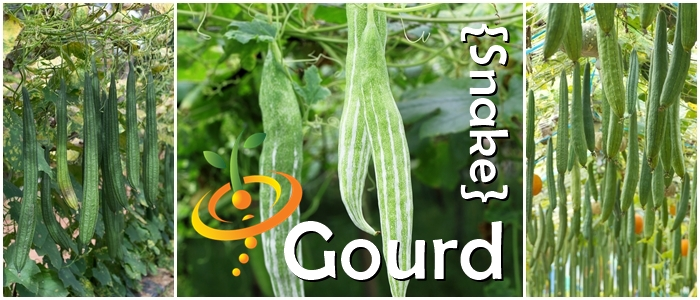

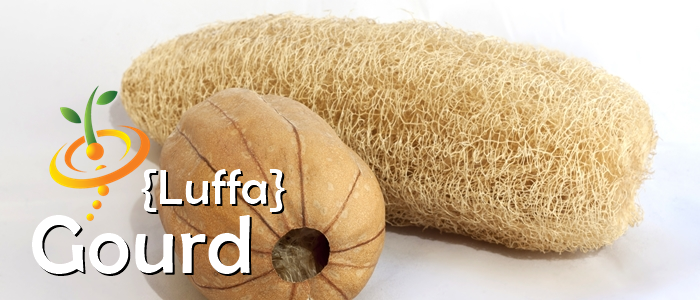


Gourd - Pear (Small), Bi-Color seeds


Hollyhock, Indian Spring Mix Flower seeds
The spectacular Indian Spring Hollyhock Mix (Alcea rosea) produces towering spikes that can grow to 9' tall with saucer-sized blooms in shades of rose and crimson. Heat- and cold-tolerant, this biennial blooms its first year. Prefers full sun, but can tolerate part shade, even under a Black Walnut tree. The leaves, buds, and petals are edible.
SEED PLANTING TIPS

Hollyhock, Summer Carnival Mix Flower seeds
This Summer Carnival Mix (Alcea rosea) produces towering spikes that can grow to 9' tall with saucer-sized blooms in all sorts of different colors.
Heat and cold-tolerant, this biennial blooms its first year. Prefers full sun, but can tolerate part shade, even under a Black Walnut tree. The leaves, buds, and petals are edible.
SEED PLANTING TIPS


Hyssop is a perennial herb prized for its aromatic, evergreen foliage and vibrant blue flowers, making it a valuable addition to any garden. It thrives in well-drained soil with full sun exposure and demonstrates excellent drought tolerance once established. Hyssop attracts beneficial pollinators such as bees and butterflies, enhancing biodiversity and supporting nearby plants. Its leaves and flowers are used for culinary purposes and traditional herbal remedies, offering both sensory and functional benefits. Cultivating hyssop requires minimal maintenance, making it ideal for gardeners seeking a resilient, multipurpose herb.
Hyssop is a versatile herb that brings both beauty and utility to your garden. Known for its aromatic leaves and striking blue flowers, it attracts pollinators like bees and butterflies, promoting a healthy garden ecosystem. Beyond its visual appeal, hyssop can enhance your cooking with its distinctive flavor and has a history of traditional medicinal use. Easy to grow and maintain, this herb is a valuable addition for gardeners seeking a blend of charm and functionality. Add hyssop to your garden and enjoy its many benefits all season long.
"Currently an undervalued herb, it is often used as a household remedy, particularly as an expectorant and stomach tonic. It has a positive effect when used to treat bronchitis and respiratory infections, especially where there is excessive mucous production. Hyssop can irritate the mucous membranes, so it is best given after an infection has peaked, when the herb's tonic action encourages a general recovery. The plant should not be used by pregnant women, however, since in large quantities it can induce a miscarriage. The leaves and flowering tops are antiseptic, antitussive, astringent, carminative, diaphoretic, emmenagogue, expectorant, pectoral, sedative, stimulant, stomachic, tonic and vasodilator. The plant can be harvested when in full flower and dried for later use. A tea made from the leaves is used in the treatment of flatulence, stomach-aches, upper respiratory tract infections, coughs in children etc. A poultice made from the fresh herb is used to heal wounds. The essential oil is used in aromatherapy. Its keyword is 'Stability'. This oil should not be used on people who are highly strung as it can cause epileptic symptoms. The essential oil should not be used internally except under professional supervision." SOURCE

Kale - Classic, Blue Curled Scotch seeds

Kale is considered to be a highly nutritious vegetable with powerful antioxidant properties; kale is considered to be anti-inflammatory. Kale is very high in beta carotene, vitamin K, vitamin C, lutein, zeaxanthin, and reasonably rich in calcium.


Kale is considered to be a highly nutritious vegetable with powerful antioxidant properties; kale is considered to be anti-inflammatory. Kale is very high in beta carotene, vitamin K, vitamin C, lutein, zeaxanthin, and reasonably rich in calcium.


Kale is considered to be a highly nutritious vegetable with powerful antioxidant properties; kale is considered to be anti-inflammatory. Kale is very high in beta carotene, vitamin K, vitamin C, lutein, zeaxanthin, and reasonably rich in calcium.
Follow SeedsNow.com's board Kale on Pinterest.

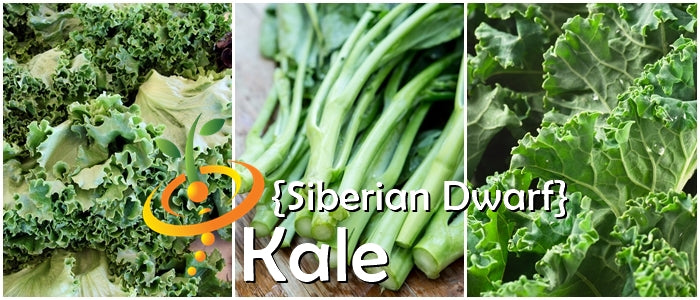
Kale is considered to be a highly nutritious vegetable with powerful antioxidant properties; kale is considered to be anti-inflammatory. Kale is very high in beta carotene, vitamin K, vitamin C, lutein, zeaxanthin, and reasonably rich in calcium.
The Black Tuscany Kale, is a unique variety of kale that has gained popularity among gardeners and chefs alike due to its distinctive appearance and robust flavor. This leafy green is characterized by its dark green, crinkled leaves that resemble the skin of a dinosaur, hence its nickname. The plant is not only visually appealing but also offers numerous health benefits, making it an excellent addition to any garden.
Originating from Italy, the Black Tuscany Kale thrives in cooler climates and is known for its resilience. It can withstand frost, which often enhances its flavor, making it a preferred choice for fall and winter gardens. The plant typically reaches a height of 2 to 3 feet and can spread up to 2 feet wide, providing ample foliage for harvesting.
In terms of nutritional value, Black Tuscany Kale is a powerhouse. It is rich in vitamins A, C, and K, as well as minerals such as calcium and iron. Studies have shown that kale is one of the most nutrient-dense foods available, with a high concentration of antioxidants that can help combat oxidative stress in the body. Incorporating this leafy green into your diet can contribute to overall health and wellness.
When cultivating Black Tuscany Kale, it is essential to consider its growing conditions. The plant prefers well-drained, fertile soil with a pH level between 6.0 and 7.5. It thrives in full sun but can tolerate partial shade, making it versatile for various garden layouts. Regular watering is crucial, especially during dry spells, as consistent moisture promotes healthy growth. Additionally, applying organic mulch can help retain soil moisture and suppress weeds.
Harvesting Black Tuscany Kale is straightforward. The leaves can be picked individually or cut from the base of the plant. It is advisable to harvest the outer leaves first, allowing the inner leaves to continue growing. This method not only prolongs the plant's productivity but also ensures a continuous supply of fresh greens throughout the growing season.
In conclusion, the Black Tuscany Kale plant is an excellent choice for gardeners seeking a nutritious and visually striking addition to their vegetable patch. Its hardiness, nutritional benefits, and culinary versatility make it a valuable crop for both home gardeners and professional chefs. By understanding its growing requirements and harvesting techniques, you can successfully cultivate this remarkable plant and enjoy its many benefits in your kitchen.
Click here for complete Kale grow guide

Kale - Tuscany, Lacinato "Dinosaur" seeds


Kale is considered to be a highly nutritious vegetable with powerful antioxidant properties; kale is considered to be anti-inflammatory. Kale is very high in beta carotene, vitamin K, vitamin C, lutein, zeaxanthin, and reasonably rich in calcium.

Kohlrabi - Delicatesse, Blue seeds
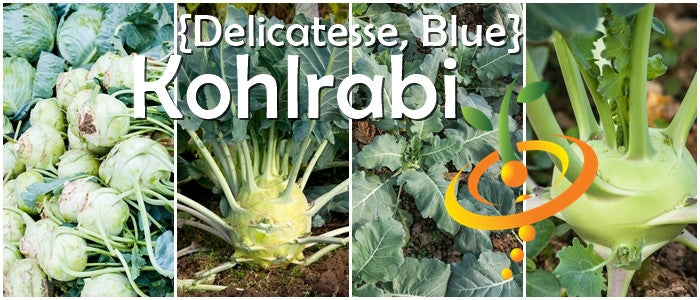
Kohlrabi is one of the most commonly eaten vegetables in Kashmir. Locally called monj, the vegetable is eaten along with the leaves (haakh). A Kashmiri household may have this on their dinner or lunch plates three to four times a week.

Kohlrabi - Delicatesse, White seeds
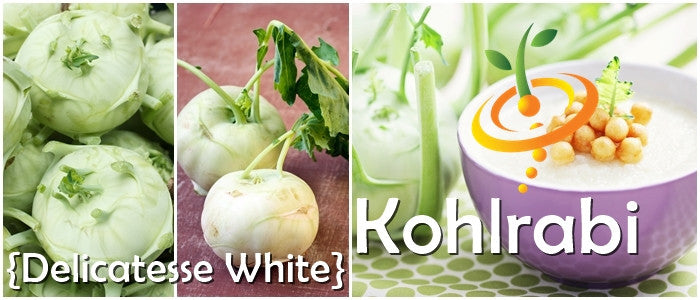
Additional Detail
Kohlrabi is one of the most commonly eaten vegetables in Kashmir Locally called monj, the vegetable is eaten along with the leaves (haakh). A Kashmiri household may have this on their dinner or lunch plates three to four times a week.

Kohlrabi - Vienna, Purple seeds

Kohlrabi - Vienna, Purple is a vibrant vegetable prized for its crisp texture and mild, slightly sweet flavor. This variety features striking purple skin with creamy white flesh, adding both color and nutrition to your garden. Ideal for cooler seasons, Vienna Purple grows quickly and develops a compact, globe-shaped bulb that can be harvested young for tender eating or allowed to mature for a more robust taste. Its versatility makes it perfect for fresh salads, roasting, or steaming, offering gardeners a rewarding and visually appealing crop.
Additional Details
Kohlrabi is one of the most commonly eaten vegetables in Kashmir Locally called monj, the vegetable is eaten along with the leaves (haakh). A Kashmiri household may have this on their dinner or lunch plates three to four times a week.

Kohlrabi - Vienna, White seeds

Kohlrabi is one of the most commonly eaten vegetables in Kashmir Locally called monj, the vegetable is eaten along with the leaves (haakh). A Kashmiri household may have this on their dinner or lunch plates three to four times a week.
Larkspur (Delphinium Consolida), GIANT Imperial Mix Flowers

Lavender, English Flower seeds

The Lavender Vera plant, scientifically known as Lavandula angustifolia, is a perennial herb renowned for its aromatic qualities and vibrant purple flowers. This plant is native to the Mediterranean region and has been cultivated for centuries due to its numerous benefits and applications in gardening, aromatherapy, and culinary arts.
One of the primary advantages of incorporating Lavender Vera into a garden is its ability to attract pollinators. Studies indicate that lavender can attract up to 30% more bees and butterflies compared to other flowering plants. This is particularly beneficial for gardeners aiming to enhance biodiversity and support local ecosystems.
Lavender Vera is also known for its drought-resistant properties. Once established, this plant requires minimal water, making it an excellent choice for sustainable gardening practices. Research shows that lavender can thrive in well-drained soils with low moisture levels, which can reduce the overall water consumption in a garden by approximately 20%.
In addition to its ecological benefits, Lavender Vera has a variety of uses in the home. The essential oils extracted from its flowers are widely used in aromatherapy for their calming effects. According to a study published in the Journal of Alternative and Complementary Medicine, inhaling lavender oil can reduce anxiety levels by up to 30% in individuals experiencing stress.
From a culinary perspective, Lavender Vera can be utilized in various recipes, including desserts, teas, and savory dishes. Its unique flavor profile adds a distinct floral note that can enhance the overall taste of a dish. However, it is essential to use culinary-grade lavender to ensure safety and palatability.
When cultivating Lavender Vera, it is crucial to consider its growing conditions. This plant thrives in full sun and well-drained soil, with a pH level between 6.5 and 7.5. Proper spacing is also vital, as mature plants can reach heights of 2 to 3 feet and spread up to 4 feet wide. Adequate air circulation around the plants can help prevent fungal diseases, which are common in humid environments.
In conclusion, the Lavender Vera plant is a valuable addition to any garden. Its ability to attract pollinators, drought-resistant nature, and versatile applications make it an ideal choice for both novice and experienced gardeners. By understanding the specific needs and benefits of Lavender Vera, gardeners can create a thriving and sustainable environment that enhances both aesthetics and functionality.
continue shopping
Give the gift of a Monthly Seed Club membership this year. Choose from 1, 3, 6, or 12-month gift plans -- Now starting at only $10.00/month + FREE shipping today.
Give the gift of a Monthly Seed Club membership this year
Choose from 1, 3, 6, or 12-month gift plans starting at only $10