Asparagus (Crowns/Roots) - Jersey Knight (Organic)
From $399 USDUnit price /UnavailableDescription
Organic/F1 Hybrid
The top name in Jersey male asparagus. Phenomenal yields, excellent quality and disease resistant. Dark green spears with purple bracts. Shoot tips hold tighter than other varieties allowing for an extended harvest period.
⚠️ These crowns are 2-year-old bare roots that are all male, which means possibly higher (3-4 times) yields.
CROWN PLANTING TIPS
- Botanical name: Asparagus officinalis
- Depth to plant crowns: 6"-8" deep
- Spacing between plants: 14"-18" apart
- Spacing between rows: 4'-5' apart
- Preferred temps: When daytime temps exceed 75F–85F
- Soil needs: 6.0-7.0 pH
- Sun needs: Full sun, partial shade
- Frost hardy: No
- Planting season: Spring, fall
- # of plants per sq. ft.: Appx. 1 plant per sq. ft.
- Days to maturity: 730 days
ADDITIONAL PLANT INFORMATION
Health Benefits of Asparagus
Asparagus contains high levels of beta carotene and other vitamins and minerals, and is a great diuretic. Need more fiber? Chew on some asparagus. And if you're looking for help controlling diabetes or preventing kidney stones, plant and eat more asparagus.Ways to Eat Asparagus
Asparagus is delicious raw or marinated in a little olive oil, lemon juice, and salt. You can also boil, steam, grill, roast, or sauté the spears. Add some asparagus to your other favorite foods such as soups, risottos, lasagnas, and quiches. To preserve your harvest, can up a few jars of pickled asparagus.• Shop all Asparagus (seeds)
• Shop all Asparagus (roots)
Shop Good Companion Plants for Asparagus 📚 Grow Guide: Asparagus Roots 
Shiso, Green (Perilla Leaf, Japanese Basil)
From $399 USDUnit price /UnavailableDescription
Green Shiso (Perilla frutescens), also called Perilla Leaf and Japanese Basil, is an herb in the mint family with large, bright green, wrinkled, serrated leaves. Not as spicy as Red Shiso. Used extensively in Japanese cuisine, it has a fresh minty-basil flavor with notes of clove and cumin, and a bitter, astringent finish. Pairs well with fish, rice, noodles, and vegetables, especially cucumbers. Also a medicinal herb with antioxidant, anti-bacterial, anti-inflammatory, and antiseptic properties. Its rhizome root can become invasive, so best grown in a container.
- Mint-basil-clove-cumin flavor
- Full sun
- Days to germinate (sprout): 7-21 days
- Days to maturity: 80-85 days
Good companion plants: Arugula, Basil, Bok Choy, Parsley, Tomato

Pea - Alaska Early (Earliest of All)
From $399 USDUnit price /UnavailableDescription
The Alaska Early Pea (Pisum sativum), originally named Earliest of All, has a lot of great qualities. As you can guess, it’s one of the earliest to produce in only 55 days. It’s a semi-dwarf frost-tolerant bush variety that grows to only 2'-3' tall and doesn’t require staking. And it produces lots of 2"-3" pods with 5-8 small, plump, smooth, peas inside. Nice flavor that isn’t too sweet. It was renamed in the late 1800s after the steamship Alaska. Can be grown in Alaska, the lower 48, and Hawaii.
- Not too sweet
- Full sun
- High yields
- Early maturity—55 days
- Good for containers
Good companion plants: Bean, Carrot, Cucumber, Parsley, Pepper, Sage, Spinach, Squash, Strawberry, Thyme
SEED PLANTING TIPS
- Botanical name: Pisum sativum
- Hardiness zones: 2-11
- Pea type: English/shelling - remove peas from pod before eating
- Growth habit: Bush - no support
- Depth to plant seeds: 1" deep
- Spacing between plants: 2"-3" apart
- Spacing between rows: 18"-24" apart
- Days to germinate (sprout): 7-21 days
- Germination soil temps: 40F-85F
- Soil needs: Clay, sandy, loamy, chalky, rich, moist, well-drained
- Soil pH: 5.5-7.0
- Sun needs: Full sun
- Frost tolerant: Yes
- # of plants per sq. ft.: Appx. 8 plants per sq. ft.
- Days to maturity: 55-60 days
 From $399 USDUnit price /Unavailable
Description
The Green Arrow Pea (Pisum sativum) is an old English heirloom shelling pea. A semi-dwarf frost-tolerant bush variety that grows to only 2'-3' tall and doesn't require staking. High yields for a compact plant. Produces lots of 4"-5" pods with 9-11 plump, tender, sweet peas inside. Delicious fresh or cooked, if you don’t eat them all before you make it into the house.
- Sweet and tender
- Full sun
- High yields
- Good fresh or cooked
- Good for containers
Good companion plants: Bean, Carrot, Cucumber, Parsley, Pepper, Sage, Spinach, Squash, Strawberry, Thyme
SEED PLANTING TIPS
- Hardiness zones: 2-11
- Planting season: Spring
- Pea type: English/shelling - remove peas from pod before eating
- Growth habit: Bush - no support
- Depth to plant seeds: 1" deep
- Spacing between plants: 2"-3" apart
- Spacing between rows: 18"-24" apart
- Days to germinate (sprout): 7-21 days
- Germination soil temps: 40F-85F
- Soil needs: Clay, sandy, loamy, chalky, rich, moist, well-drained
- Soil pH: 5.5-7.0
- Sun needs: Full sun
- Frost tolerant: Yes
- # of plants per sq. ft.: Appx. 8 plants per sq. ft.
- Days to maturity: 65-70 days

Candytuft, Fairy Dwarf Mix Flowers
From $399 USDUnit price /UnavailableDescription
The Fairy Dwarf Candytuft Mix (Iberis umbellata) is a drought-tolerant, low-lying annual with sweet, delicate flowers in an array of white, rose, lavender, and red. Loves full sun, but will tolerate partial shade. Good for ground cover, cottage gardens, or containers.
- Life cycle: Annual
- Bloom season: Spring, summer
- Attracts: Bees, butterflies, moths, and other pollinators
- Flower meaning: Beauty, indifference, joy, sweetness, vitality
SEED PLANTING TIPS
- Botanical name: Iberis umbellata
- Hardiness zones: 3-9
- Planting season: Spring, fall
- Days to maturity: 55-70 days
- Cold stratify: No
- Depth to plant seeds: Lightly cover - seeds need light to germinate
- Spacing between plants: 8"-12" apart
- Days to germinate (sprout): 20-30 days
- Germination soil temps: 70F-80F
- Soil types: Sandy, loamy, dry, well-drained
- Soil pH: 6.0-8.0
- Water needs: Average
- Sun needs: Full sun, part shade
- Frost tolerant: No
- Drought tolerant: Yes
- Deer resistant: No
-
Carrot - Paris Market, 2" Round
From $399 USDUnit price /UnavailableDescription
The Paris Market Carrot (Daucus carota) is a tender, adorable 2" round carrot with very sweet flavor. Grows well in containers, shallow beds, and rocky soil. Half-hardy to frost and light freezes. Good steamed, roasted, and fresh.
- Very sweet and crunchy
- Size: 2" in diameter
- Days to germinate (sprout): 7-21 days
- Days to maturity: 35 days
Good companion plants: Broccoli, Cauliflower, Chives, Lettuce, Onion, Parsley, Peas, Rosemary, Sage, Thyme, Tomato
SEED PLANTING TIPS
- Depth to plant seeds: .25" deep
- Spacing between plants: 2" apart
- Spacing between rows: 18"-24" apart
- Days to germinate (sprout): 7-21 days
- Germination soil temps: 65F-85F
- Soil needs: 6.0-6.8 pH
- Sun needs: Full sun
- Hardiness: Half-hardy to frost and light freezes
- Planting season: Spring, fall
- # of plants per sq. ft.: Appx. 16 plants per sq. ft.
- Days to maturity: 70-75 days
-
Aster, Powderpuff (China Aster) Flowers
From $399 USDUnit price /UnavailableDescription
The Powderpuff Aster (Callistephus chinensis) puts out a huge fully double flower that looks like a pom-pom in multiple pastel hues of white, pink, and purple. Also called China Aster, it resembles the Chrysanthemum and grows 2'-3' tall. A soft accent in the garden or tied with a ribbon into a long-lasting bouquet.
- Life cycle: Annual
- Bloom season: Summer, fall
- Attracts: Bees, butterflies, and other pollinators
- Flower meaning: Afterthought, daintiness, elegance, love of variety, patience
SEED PLANTING TIPS
- Botanical name: Callistephus chinensis
- Hardiness zones: 2-11
- Planting season: Spring
- Days to maturity: 90-120
- Cold stratify: No
- Depth to plant seeds: Lightly cover - seeds need light to germinate
- Spacing between plants: 12"-24" apart
- Days to germinate (sprout): 14-21 days
- Germination soil temps: 70F-75F
- Soil types: Loamy, rich, moist, well-drained
- Soil pH: 5.8-6.5
- Water needs: Average
- Sun needs: Full sun, part shade
- Drought tolerant: No
- Deer resistant: Yes
-
From $399 USDUnit price /Unavailable
Description
The Crego Mix Aster (Callistephus chinensis) is a showy collection of full 4" flower heads with delicate curled petals in multiple pastel hues of red, white, pink, and purple. Also called China Aster, it resembles the Chrysanthemum and grows 2'-3' tall. A soft accent in the garden or as a cut flower.
- Life cycle: Annual
- Bloom season: Summer, fall
- Attracts: Bees, butterflies, and other pollinators
- Flower meaning: Afterthought, daintiness, elegance, love of variety, patience
SEED PLANTING TIPS
- Botanical name: Callistephus chinensis
- Hardiness zones: 2-11
- Planting season: Spring
- Days to maturity: 90-120
- Cold stratify: No
- Depth to plant seeds: Lightly cover - seeds need light to germinate
- Spacing between plants: 8"-12" apart
- Days to germinate (sprout): 14-21 days
- Germination soil temps: 70F-75F
- Soil types: Loamy, well-drained
- Soil pH: 5.5-7.5
- Water needs: Average
- Sun needs: Full sun, part shade
- Frost tolerant: No
- Drought tolerant: No
- Deer resistant: Yes
-
From $399 USDUnit price /Unavailable
Description
The heat- and drought-tolerant, frost-hardy annual Scarlet Flax (Linum grandiflorum) produces small 1" vibrant red five-petal blossoms edged in black on 2'-3' wiry stems with delicate foliage. This ornamental flower lasts only for a day, opening at dawn and dropping its petals by mid-day. And then another blooms tomorrow.
- Life cycle: Annual
- Bloom season: Spring, summer
- Attracts: Bees, butterflies, and other pollinators
- Flower meaning: Creativity, domestication, purity, virtue, wisdom
SEED PLANTING TIPS
- Botanical name: Linum grandiflorum
- Hardiness zones: 1-10
- Planting season: Spring
- Days to maturity: 75-90 days
- Cold stratify: No
- Depth to plant seeds: Lightly cover - seeds need light to germinate
- Spacing between plants: 12"-18" apart
- Days to germinate (sprout): 7-10 days
- Germination soil temps: 65F-75F
- Soil types: Clay, sandy, loamy, silty, well-drained
- Soil pH: 5.5-8.5
- Water needs: Average
- Sun needs: Full sun
- Frost tolerant: Yes
- Drought tolerant: Yes
- Deer resistant: No
-
From $399 USDUnit price /Unavailable
Description
Epazote (Dysphania ambrosioides) is a culinary herb with a lemony green color and serrated leaves, traditionally used to add a bold umami-type depth to Mexican cuisine. Its flavor has been described as a mix of mint and savory with a bit of camphor or turpentine thrown in. An acquired taste. As a companion plant, it attracts beneficial insects and masks the scent of other plants that suffer from pest damage. Also used medicinally to help with stomach upset and to combat intestinal parasites. Can become invasive, so best grown in a container.
- Easy to grow
- Culinary and medicinal uses
- Days to germinate (sprout): 5-7 days
- Quick maturity—only 40 days
-
Hollyhock, Indian Spring Mix Flowers
From $399 USDUnit price /UnavailableDescription
The spectacular Indian Spring Hollyhock Mix (Alcea rosea) produces towering spikes that can grow to 9' tall with saucer-sized blooms in shades of rose and crimson. Heat- and cold-tolerant, this biennial blooms its first year. Prefers full sun, but can tolerate part shade, even under a Black Walnut tree. The leaves, buds, and petals are edible.
- Life cycle: Biennial
- Bloom season: Summer, fall
- Attracts: Birds, hummingbirds, bees, butterflies, and other pollinators
- Flower meaning: Abundance, ambition, femininity, fertility, fruitfulness
SEED PLANTING TIPS
- Botanical name: Alcea rosea
- Hardiness zones: 2-10
- Planting season: Summer, fall
- Days to maturity: 2nd year
- Cold stratify: Yes
- Depth to plant seeds: Lightly cover - seeds need light to germinate
- Depth to plant seeds: Surface sow
- Spacing between plants: 18"-36" apart
- Days to germinate (sprout): 10-21 days
- Germination soil temps: 60F-70F
- Soil types: Sandy, loamy, chalky, rich, moist, well-drained
- Soil pH: 6.0-8.0
- Water needs: Average
- Sun needs: Full sun, part shade
- Frost tolerant: Yes
- Drought tolerant: Yes
- Deer resistant: Yes
-
From $399 USDUnit price /Unavailable
Description
The Smooth Blue Aster (Symphyotrichum laeve) bursts out gorgeous star-like violet-blue blooms with long smooth petals around a yellow center. Grows on a 2'-3' sturdy stem that also takes on a blue hue. This frost-tolerant flower can bloom through Thanksgiving.
- Life cycle: Herbaceous perennial
- Bloom season: Summer, fall
- Attracts: Bees, butterflies, and other pollinators
- Flower meaning: Afterthought, daintiness, elegance, love of variety, patience
SEED PLANTING TIPS
- Botanical name: Symphyotrichum laeve
- Hardiness zones: 4-8
- Planting season: Spring
- Days to maturity: 90-120
- Cold stratify: Yes
- Depth to plant seeds: Lightly cover - seeds need light to germinate
- Spacing between plants: 12"-24" apart
- Days to germinate (sprout): 14-21 days
- Germination soil temps: 70F-75F
- Soil types: Clay, sandy, loamy, rocky, dry, well-drained
- Soil pH: 5.8-6.5
- Water needs: Average
- Sun needs: Full sun, part shade
- Frost tolerant: Yes
- Drought tolerant: Yes
- Deer resistant: Yes
-
Aster, New England (Michaelmas Daisy) Flowers
From $399 USDUnit price /UnavailableDescription
The New England Aster (Symphyotrichum novae-angliae), also called Michaelmas daisy, offers gorgeous 1.5" blooms in vibrant shades of purple, pink, or white. Long daisy-like petals grow around a yellow center on a 3'-6' sturdy, hairy, leafy stem. A sweet show in the garden or in a vase.
- Life cycle: Herbaceous perennial
- Bloom season: Summer, fall
- Attracts: Bees, butterflies, and other pollinators
- Flower meaning: Afterthought, daintiness, elegance, love of variety, patience
SEED PLANTING TIPS
- Botanical name: Symphyotrichum novae-angliae
- Hardiness zones: 4-8
- Planting season: Spring
- Days to maturity: 90-120
- Cold stratify: Yes
- Depth to plant seeds: Lightly cover - seeds need light to germinate
- Spacing between plants: 12"-24" apart
- Days to germinate (sprout): 14-21 days
- Germination soil temps: 70F-75F
- Soil types: Loamy, rich, moist, well-drained
- Soil pH: 5.8-6.8
- Water needs: Average
- Sun needs: Full sun, part shade
- Frost tolerant: No
- Drought tolerant: No
- Deer resistant: Yes
-
Daisy, Black-Eyed Susan (Rudbeckia Hirta) Flowers
From $399 USDUnit price /UnavailableDescription
The Daisy, specifically the Rudbeckia Hirta, is a perennial plant that is widely appreciated for its vibrant yellow flowers and its ability to thrive in various garden conditions. This species, commonly known as the Black-eyed Susan, belongs to the Asteraceae family and is native to North America. The plant typically reaches a height of 1 to 3 feet and produces flowers that can measure up to 3 inches in diameter.
Rudbeckia Hirta is characterized by its distinctive dark brown or black center, surrounded by bright yellow petals. This striking appearance not only enhances the aesthetic appeal of gardens but also attracts a variety of pollinators, including bees and butterflies, which are essential for maintaining ecological balance. Studies indicate that plants like Rudbeckia Hirta can increase pollinator activity by up to 50% in garden environments.
In terms of cultivation, Rudbeckia Hirta is known for its resilience and adaptability. It prefers full sun but can tolerate partial shade, making it suitable for diverse planting locations. The plant thrives in well-drained soil and can withstand drought conditions once established. It is important to note that while Rudbeckia Hirta is relatively low-maintenance, regular deadheading can promote prolonged blooming periods, extending the flowering season from mid-summer to early fall.
From a horticultural perspective, the Rudbeckia Hirta is often used in mixed borders, wildflower gardens, and as a cut flower in arrangements. Its ability to self-seed allows for natural propagation, contributing to the sustainability of garden ecosystems. However, gardeners should be mindful of its potential to spread, as it can become invasive in certain regions if not managed properly.
In summary, the Daisy (Rudbeckia Hirta) is a valuable addition to any garden, offering both visual appeal and ecological benefits. Its ease of care, coupled with its role in supporting pollinator populations, makes it an ideal choice for both novice and experienced gardeners alike. By incorporating Rudbeckia Hirta into your gardening plans, you can enhance the biodiversity and beauty of your outdoor space.
- Life cycle: Tender perennial
- Bloom season: Summer
- Attracts: Bees, butterflies, and other pollinators
- Flower meaning: Justice
SEED PLANTING TIPS
- Botanical name: Rudbeckia hirta
- Hardiness zones: 3-8
- Planting season: Spring, fall
- Days to maturity: 90-120 days
- Cold stratify: Yes
- Depth to plant seeds: Lightly cover - seeds need light to germinate
- Spacing between plants: 12"-18" apart
- Days to germinate (sprout): 7-21 days
- Germination soil temps: 70F-75F
- Soil types: Clay, sandy, loamy, moist, well-drained
- Soil pH: 6.8-7.7
- Water needs: Average
- Sun needs: Full sun, part shade
- Frost tolerant: No
- Drought tolerant: Yes
- Deer resistant: Yes
-
From $399 USDUnit price /Unavailable
Description
The Chinese Forget-Me-Not (Cynoglossum amabile) is a highly productive easy-care annual. Produces adorable, delicate sprays of blue blossoms with scalloped petals around a blue center. Grows 1'-2' tall on thin, hairy stems with lance-shaped foliage. Stunning in the garden or as a cut flower.
- Life cycle: Annual
- Bloom season: Spring, summer
- Attracts: Hummingbirds, bees, butterflies, and other pollinators
- Flower meaning: True love
SEED PLANTING TIPS
- Botanical name: Cynoglossum amabile
- Hardiness zones: 1-10
- Planting season: Spring, fall
- Days to maturity: 75-85 days
- Cold stratify: Yes
- Depth to plant seeds: 1/4"
- Spacing between plants: 8"-12" apart
- Days to germinate (sprout): 7-10 days
- Germination soil temps: 65F-70F
- Soil types: Sandy, loamy, well-drained
- Soil pH: 6.0-7.5
- Water needs: Average
- Sun needs: Full sun, part shade, full shade
- Frost tolerant: Yes
- Drought tolerant: Yes
- Deer resistant: No
-
From $399 USDUnit price /Unavailable
Description
The Lacy Phacelia (Phacelia tanacetifolia), also known as Scorpionweed and Purple Tansy, is a fast-growing, drought-tolerant, cold-hardy annual in the borage family. Produces coiled, whiskered lavender-colored blossoms that look similar to a scorpion tail, fiddlehead, or thistle. Grows 2'-3' tall on thin, hairy stems with lacy foliage. Plant a few or a field, or add a bit of wildness to a cut arrangement. An especially great companion plant in the vegetable garden as it’s quick to bloom, attracts bees and hoverflies, and stores nitrogen which also makes it a good cover crop.
- Life cycle: Annual
- Bloom season: Summer
- Attracts: Hummingbirds, bees, butterflies, beneficial insects, and other pollinators
- Flower meaning: Determination, endurance, resistance, strength
SEED PLANTING TIPS
- Botanical name: Phacelia tanacetifolia
- Hardiness zones: 3-10
- Planting season: Spring, fall
- Days to maturity: 42-55 days
- Cold stratify: No
- Depth to plant seeds: 1/4" deep
- Spacing between plants: 3"-10" apart
- Days to germinate (sprout): 7-21 days
- Germination soil temps: 40F-65F
- Soil types: Sandy, loamy, silty, rocky, chalky, moist, well-drained
- Soil pH: 6.0-8.5
- Water needs: Average
- Sun needs: Full sun
- Frost tolerant: Yes
- Drought tolerant: Yes
- Deer resistant: Yes
-
Coneflower, Yellow Prairie (Mexican Hat) Flowers
From $399 USDUnit price /UnavailableDescription
The Yellow Prairie Coneflower (Ratibida columnifera), also called Mexican Hat, is the pure yellow form of the native Prairie Coneflower. Grows 15"-24" tall on slender stems with yellow petals that skirt a tall upright cone. This drought-tolerant droopy petaled daisy loves the heat. A cheerful mid-summer pick-me-up that blooms into fall.
- Life cycle: Perennial
- Bloom season: Spring, summer, fall
- Attracts: Birds, bees, butterflies, beneficial insects, and other pollinators
- Flower meaning: Healing, health, strength
SEED PLANTING TIPS
- Botanical name: Ratibida columnifera
- Hardiness zones: 4-9
- Planting season: Spring, fall
- Days to maturity: 2nd year
- Cold stratify: Yes
- Depth to plant seeds: Lightly cover - seeds need light to germinate
- Spacing between plants: 12"-18" apart
- Days to germinate (sprout): 7-21 days
- Germination soil temps: 65F-75F
- Soil types: Clay, sandy, loamy, silty, chalky, rocky, dry, moist
- Soil pH: 6.8-7.2
- Water needs: Average
- Sun needs: Full sun
- Frost tolerant: No
- Drought tolerant: Yes
- Deer resistant: Yes
-
Sunflower, Maximillian Flowers
From $399 USDUnit price /UnavailableDescription
The Maximillian Sunflower (Helianthus maximiliani) is a drought-tolerant perennial. Produces a 3"-5" blossom with veined, pointed bright yellow petals around a dark golden center. Grows 3'-10' tall on branching, hairy stems with multiple blooms per stem, and long, narrow, drooping foliage. Bold, robust, and cheerful.
- Life cycle: Perennial
- Bloom season: Summer
- Attracts: Birds, bees, butterflies, and other pollinators
- Flower meaning: Admiration, devotion, happiness, honesty, loyalty, optimism, peace, vitality
SEED PLANTING TIPS
- Botanical name: Helianthus maximiliani
- Hardiness zones: 4-9
- Planting season: Spring, fall
- Days to maturity: 90-100 days
- Cold stratify: Yes
- Depth to plant seeds: 1/2" deep
- Spacing between plants: 36"-48" apart
- Days to germinate (sprout): 7-25 days
- Germination soil temps: 65F-70F
- Soil types: Clay, sandy, loamy, rocky, dry, well-drained
- Soil pH: 6.5-7.8
- Water needs: Low - do not overwater
- Sun needs: Full sun
- Frost tolerant: No
- Drought tolerant: Yes
- Deer resistant: Yes
-
Tomato - Thessaloniki (Indeterminate)
From $399 USDUnit price /UnavailableDescription
The Thessaloniki Tomato is a Greek heirloom. A tomato so epic that Homer could have written an ode to its plump round fruits that ripen from golden yellow to vivid red, high yields in high temps, and a rich, earthy flavor that’s well-balanced between sweet and acidic. This one’s a keeper, both in the garden and on the countertop. By the time you eat a few of these, you may even be able to pronounce it.
- Well-balanced flavor
- Heat tolerant
- Early producer
- Stores well
SEED PLANTING INFO
- Botanical name: Solanum lycopersicum
- Growth type: Indeterminate, trellis support, regular pruning
- Tomato size: Medium
- Depth to plant seeds: .25" deep
- Spacing between plants: 24" apart
- Spacing between rows: 36"-48" apart
- Days to germinate (sprout): 7-14 days
- Germination soil temps: 75F-95F
- Soil needs: 6.0-6.5 pH
- Sun needs: Full sun
- Frost hardy: No
- Planting season: Spring, summer
- # of plants per sq. ft.: Appx. 1 plant per 2 sq. ft.
- Days to maturity: 75-80 days
Click here to view our full Tomato grow guide
Good companion plants: Basil, Borage, Onion, Parsley, Pepper
-
From $399 USDUnit price /Unavailable
Description
The Purple Haze Carrot (Daucus carota) is dark purple on the outside and bright orange on the inside. Fun when sliced into coins. Grows 6"-8" with tapered roots, good texture, and sweet flavor. Half-hardy to frost and light freezes. Good steamed, roasted, and fresh.
- F1 hybrid
- Sweet and crunchy
- Size: 6"-8" long
- Days to germinate (sprout): 7-21 days
- Days to maturity: 70-75
- Can be harvested sooner for mini sized carrots
Good companion plants: Broccoli, Cauliflower, Chives, Lettuce, Onion, Parsley, Peas, Rosemary, Sage, Thyme, Tomato
SEED PLANTING TIPS
- Depth to plant seeds: .25" deep
- Spacing between plants: 2" apart
- Spacing between rows: 18"-24" apart
- Days to germinate (sprout): 7-21 days
- Germination soil temps: 65F-85F
- Soil needs: 6.0-6.8 pH
- Sun needs: Full sun
- Hardiness: Half-hardy to frost and light freezes
- Planting season: Spring, fall
- # of plants per sq. ft.: Appx. 16 plants per sq. ft.
- Days to maturity: 70-75 days
-
Carrot - Solar Yellow, 7" Long
From $399 USDUnit price /UnavailableDescription
The Solar Yellow Carrot (Daucus carota) is a sunny yellow carrot with a crispy crunch and a flavor slightly sweeter than the orange ones. Grows 7" long with a tapered root. Harvest sooner for small carrots. Half-hardy to frost and light freezes.
- Sweet and crunchy
- Size: 7" long
- Days to germinate (sprout): 7-21 days
- Days to maturity: 75-80
Good companion plants: Broccoli, Cauliflower, Chives, Lettuce, Onion, Parsley, Peas, Rosemary, Sage, Thyme, Tomato
SEED PLANTING TIPS
- Depth to plant seeds: .25" deep
- Spacing between plants: 2" apart
- Spacing between rows: 18"-24" apart
- Days to germinate (sprout): 7-21 days
- Germination soil temps: 65F-85F
- Soil needs: 6.0-6.8 pH
- Sun needs: Full sun
- Hardiness: Half-hardy to frost and light freezes
- Planting season: Spring, fall
- # of plants per sq. ft.: Appx. 16 plants per sq. ft.
- Days to maturity: 70-75 days
-
Squash (Winter) - Queensland Blue
From $399 USDUnit price /UnavailableDescription
The Queensland Blue Winter Squash (Cucurbita maxima) is an Australian Blue pumpkin with beautiful blue-green skin, gray foliage, and bright orange flesh that’s fragrant, meaty, and sweet. Deeply ribbed, slightly flattened, and can weigh 8 lbs-20 lbs. Dependable producer with a vining growth habit. Keeps for up to 6 months under proper storage conditions. Great for baking, canning, and roasting.
- Sweet and firm
- High yields
- Dependable producer
- Good keeper
SEED PLANTING TIPS
- Botanical name: Cucurbita maxima
- Hardiness zones: 3-11
- Planting season: Spring, summer
- Squash size: Large
- Growth habit: Vine (6'-10' long), trellis support or generous bed/ground space
- Depth to plant seeds: 1" deep
- Spacing between plants: 10'-12' apart
- Spacing between rows: 10'-15' apart
- Days to germinate (sprout): 5-10 days
- Germination soil temps: 70F-85F
- Soil needs: Loamy, rich, moist, well-drained
- Soil pH: 6.0-6.8
- Sun needs: Full sun
- Frost tolerant: No
- Days to maturity: 100-120 days
Good companion plants: Bean, Dill, Epazote, Marigold, Pea, Pepper, Sage, Thyme
Though considered a vegetable in cooking, botanically speaking, squash is a fruit (being the receptacle for the plant's seeds). Squash can be served fresh (in salads) and cooked (squash stuffed with meat, fried squash, baked squash).
-
From $399 USDUnit price /Unavailable
Description
The Nodding Catchfly (Silene pendula) is a bushy, vigorous, low-growing annual. So named because small flies and gnats get stuck in the sticky seed pod. Produces clusters of charming pink blossoms with notched petals around a light pink center. Grows 6"-10" tall on a nodding stem with hairy, oval foliage. Beautiful cascading over a hanging basket or stone wall.
- Life cycle: Annual
- Bloom season: Spring, summer
- Attracts: Hummingbirds, bees, butterflies, moths, and other pollinators
- Flower meaning: Gentleness, youthful love
SEED PLANTING TIPS
- Botanical name: Silene pendula
- Hardiness zones: 4-9
- Planting season: Spring, fall
- Days to maturity: 60-90 days
- Cold stratify: Yes
- Depth to plant seeds: Lightly cover - seeds need light to germinate
- Spacing between plants: 8"-12" apart
- Days to germinate (sprout): 7-14 days
- Germination soil temps: 60F-70F
- Soil types: Clay, sandy, loamy, moist, well-drained
- Soil pH: 5.5-6.5
- Water needs: Average
- Sun needs: Full sun, part shade
- Frost tolerant: Yes
- Drought tolerant: Yes
- Deer resistant: Yes
-
Globe Gilia (Queen Anne’s Thimble) Flowers
From $399 USDUnit price /UnavailableDescription
The Globe Gilia (Gilia capitata) is an easy-care drought-tolerant annual. Produces globe-shaped 1"-2" blue-hued flowers on thin stems with lacy foliage that grow 2' to 3' tall. Also called Queen Anne’s Thimble for its resemblance to a pincushion.
- Life cycle: Annual
- Bloom season: Spring, summer
- Attracts: Bees, butterflies, beneficial insects, and other pollinators
- Flower meaning: Affection, beauty, desire, hope, inspiration, love
SEED PLANTING TIPS
- Botanical name: Gilia capitata
- Hardiness zones: 3-10
- Planting season: Spring, fall
- Days to maturity: 60 days
- Cold stratify: Yes
- Depth to plant seeds: 1/8" deep
- Spacing between plants: 6"-8" apart
- Days to germinate (sprout): 14-21 days
- Germination soil temps: 70F-75F
- Soil types: Sandy, loamy, rocky, dry, well-drained
- Soil pH: 6.0-7.0
- Water needs: Low - do not overwater
- Sun needs: Full sun
- Frost tolerant: No
- Drought tolerant: Yes
- Deer resistant: Yes
-
Blazing Star (Gayfeather) Flowers
From $399 USDUnit price /UnavailableDescription
The Blazing Star/Gayfeather flower (Liatris spicata) produces a long, spiky, fluffy flower that begins blooming at the top of the stem, working its way down until it looks like a wild bottlebrush. This hardy perennial is tolerant of heat, drought, frost, and cold. Stem grows 2'-3' tall, with the purple, pink, or white flower taking it as tall as 6'.
- Life cycle: Perennial
- Bloom season: Summer, fall
- Attracts: Hummingbirds, bees, butterflies, and other pollinators
- Flower meaning: Blissfulness, happiness, joy
SEED PLANTING TIPS
- Botanical name: Liatris spicata
- Hardiness: Zones 3-10
- Planting season: Spring, fall
- Days to maturity: 55-70 days
- Cold stratify: Yes
- Depth to plant seeds: Lightly cover - seeds need light to germinate
- Spacing between plants: 8"-12" apart
- Days to germinate (sprout): 21-35 days
- Germination soil temps: 65F-75F
- Soil types: Clay, sandy, loamy, rocky, chalky, moist, well-drained
- Soil pH: 5.5-7.5
- Water needs: Average
- Sun needs: Full sun
- Frost tolerant: Yes
- Drought tolerant: Yes
- Deer resistant: Yes
-
Coreopsis, Lanceleaf Tickseed Flowers
From $399 USDUnit price /UnavailableDescription
The Lanceleaf Coreopsis (Coreopsis lanceolata), also called Lanceleaf Tickseed, is a drought-tolerant perennial. Produces large 2"-3" blossoms with bright yellow notched petals around a golden yellow center. Grows 1'-2' tall on thin stems with narrow, lance-shaped foliage. Blooms continuously throughout the summer.
- Life cycle: Herbaceous perennial
- Bloom season: Summer
- Attracts: Birds, bees, butterflies, beneficial insects, and other pollinators
- Flower meaning: Always cheerful, friendship, happiness, joy, love at first sight, optimism
SEED PLANTING TIPS
- Botanical name: Coreopsis lanceolata
- Hardiness zones: 4-9
- Planting season: Spring, fall
- Days to maturity: 2nd year
- Cold stratify: Yes
- Depth to plant seeds: Lightly cover - seeds need light to germinate
- Spacing between plants: 8"-12" apart
- Days to germinate (sprout): 7-21 days
- Germination soil temps: 65F-75F
- Soil types: Sandy, loamy, rocky, chalky, moist, well-drained
- Soil pH: 5.5-6.5
- Water needs: Average
- Sun needs: Full sun, part shade
- Frost tolerant: No
- Drought tolerant: Yes
- Deer resistant: Yes
 From $399 USDUnit price /Unavailable
Description
The Love-in-a-Mist flower (Nigella damascena) is a striking annual in the buttercup family. Produces 1"-2" blossoms in shades of blue, pink, purple, and white. Fluffy petals surround a horned center seed pod, and the entire flower is surrounded by a “mist” of fern-like foliage that continues along the thin stem that grows 1'-2' tall. An old-fashioned flower with modern appeal.
- Life cycle: Annual
- Bloom season: Spring, summer, fall
- Attracts: Bees, butterflies, beneficial insects, and other pollinators
- Flower meaning: Harmony, love, peace, perplexity, unrequited love
SEED PLANTING TIPS
- Botanical name: Nigella damascena
- Hardiness zones: 2-11
- Planting season: Summer, fall
- Days to maturity: 60-90 days
- Cold stratify: Yes
- Depth to plant seeds: Lightly cover - seeds need light to germinate
- Spacing between plants: 8"-10" apart
- Days to germinate (sprout): 14-21 days
- Germination soil temps: 65F-70F
- Soil types: Sandy, loamy, chalky, moist, well-drained
- Soil pH: 6.0-7.0
- Water needs: Average
- Sun needs: Full sun, part shade
- Frost tolerant: Yes
- Drought tolerant: Yes
- Deer resistant: Yes
-
Zinnia, Polar Bear Flowers seeds
From $399 USDUnit price /UnavailableDescription
The Polar Bear Zinnia (Zinnia elegans) is a tender annual with a long 3-month blooming period. Produces huge 4"-5" double blossoms with long, oval crisp white petals around a golden center. Grows 2'-3' tall on sturdy stems with lance-shaped foliage.Stunning as a long-lasting cut flower in a bouquet or vase.
- Life cycle: Annual
- Bloom season: Spring, summer, fall
- Attracts: Bees, butterflies, and other pollinators
- Flower meaning: Acclaim, affection, elegance, farewell, friendship, healing, peace, purity, remembrance, strength
SEED PLANTING TIPS
- Botanical name: Zinnia elegans
- Hardiness zones: 2-11
- Planting season: Spring, summer
- Days to maturity: 60-70 days
- Cold stratify: No
- Depth to plant seeds: 1/4" deep
- Spacing between plants: 12"-18" apart
- Days to germinate (sprout): 5-7 days
- Germination soil temps: 70F-75F
- Soil types: Sandy, loamy, rich, moist, well-drained
- Soil pH: 5.5-7.5
- Water needs: Average
- Sun needs: Full sun
- Frost tolerant: No
- Drought tolerant: Yes
- Deer resistant: Yes
-
From $399 USDUnit price /Unavailable
Description
The Scarlet Sage (Salvia coccinea), also called Blood Sage, Texas Sage, and Indian Fire, is a fast-growing, tender perennial in the mint family. Produces dense 10" spikes of small, tubular, bright red fragrant blossoms with long stamens. Grows 1'-3' tall on square stems with hairy, heart-shaped foliage. Can be grown as an annual in colder climates. A striking pop of color in any garden or vase.
The leaves of Scarlet Sage are edible, but the flowers are toxic to people and should not be ingested.
- Life cycle: Herbaceous perennial
- Bloom season: Spring, summer, fall
- Attracts: Hummingbirds, birds, bees, butterflies, and other pollinators
- Flower meaning: Good health, longevity, wisdom
SEED PLANTING TIPS
- Botanical name: Salvia coccinea
- Hardiness zones: 8-10
- Planting season: Spring, fall
- Days to maturity: 65-85 days
- Cold stratify: No
- Depth to plant seeds: Lightly cover - seeds need light to germinate
- Spacing between plants: 6"-12" apart
- Days to germinate (sprout): 7-21 days
- Germination soil temps: 65F-75F
- Soil types: Sandy, loamy, dry, moist, well-drained
- Soil pH: 5.5-7.5
- Water needs: Average
- Sun needs: Full sun, part shade
- Frost tolerant: No
- Drought tolerant: Yes
- Deer resistant: Yes
-
From $399 USDUnit price /Unavailable
Description
The Shasta Daisy (Leucanthemum x superbum) is a drought-tolerant perennial. Produces large 2" blossoms with long bright white petals around a golden yellow center. Grows 2'-4' tall on thin stems with narrow, serrated, dark green foliage. Long lasting in the garden and as a cut flower.
- Life cycle: Perennial
- Bloom season: Summer
- Attracts: Butterflies and other pollinators
- Flower meaning: Innocence, new beginnings, purity, true love
SEED PLANTING TIPS
- Botanical name: Leucanthemum x superbum
- Hardiness zones: 4-9
- Planting season: Spring
- Days to maturity: 1st or 2nd year
- Cold stratify: Yes
- Depth to plant seeds: Lightly cover - seeds need light to germinate
- Spacing between plants: 18"-24" apart
- Days to germinate (sprout): 14-21 days
- Germination soil temps: 65F-70F
- Soil types: Loamy, moist, well-drained
- Soil pH: 5.5-6.2
- Water needs: Low - do not overwater
- Sun needs: Full sun
- Frost tolerant: No
- Drought tolerant: Yes
- Deer resistant: Yes
-
From $399 USDUnit price /Unavailable
Description

This is true Watercress (Nasturtium officinale), a fast-growing perennial in the mustard family. Easy to grow and produces small, succulent leaves with tiny white edible flowers. A nutritionally dense, dark leafy green that’s great for a peppery snap in salads, wraps, and soups. As the name implies, this plant loves water, so keep the soil wet. Good for containers and hydroponic gardens.- Spicy and succulent
- Prefers wet soil
- Good for containers
- Good for hydroponics
SEED PLANTING TIPS
- Botanical name: Nasturtium officinale
- Life cycle: Perennial
- Hardiness zones: 5-11
- Planting season: Spring
- Days to maturity: 50-60 days
- Depth to plant seeds: 1/4" deep
- Days to germinate (sprout): 5-15 days
- Germination soil temps: 50F-60F
- Spacing between plants: 8"-12" apart
- Spacing between rows: 18"-24" apart
- # of plants per sq. ft.: Appx. 1 plant per sq. ft.
- Soil types: Clay, sandy, loamy, chalky, rich, wet, poorly drained
- Soil pH: 6.5-7.5
- Sun needs: Full sun
- Water needs: High - keep soil saturated
- Cold stratify: No
- Frost tolerant: No
- Heat tolerant: No
- Drought tolerant: No
- Deer resistant: No
- Culinary use: Yes
- Medicinal use: Yes
Watercress is a leafy green known for its health properties.
- Grows well in containers
- Hardy to wet soil
- Produces small, succulent leaves
- Rapidly growing, perennial plant native to Europe and Asia
- High in Vitamins A and C

Daisy, African Flake (Cape Marigold) Flowers
From $399 USDUnit price /UnavailableDescription
The African Flake Daisy (Dimorphotheca sinuata), also called Cape Marigold, puts out 2"-3" daisy-like flowers in bright, happy colors of orange, white, and yellow around brown-rimmed centers on 8"-16" stems. Whether in the garden or a vase, this day flower closes up its petals at night, reopening the next day. Drought tolerant and blooms early.
- Life cycle: Annual
- Bloom season: Spring, summer, fall
- Attracts: Bees, butterflies, and other pollinators
- Flower meaning: Innocence, new beginnings, purity, true love
SEED PLANTING TIPS
- Botanical name: Dimorphotheca sinuata
- Hardiness zones: 2-11
- Planting season: Spring, fall
- Days to maturity: 90 days
- Cold stratify: No
- Depth to plant seeds: Lightly cover - seeds need light to germinate
- Spacing between plants: 8"-12" apart
- Days to germinate (sprout): 10-21 days
- Germination soil temps: 65F-75F
- Soil types: Sandy, loamy, well-drained
- Soil pH: 6.5-7.0
- Water needs: Low - prefers dry soil
- Sun needs: Full sun
- Frost tolerant: No
- Drought tolerant: Yes
- Deer resistant: Yes
-
From $399 USDUnit price /Unavailable
Description
The Golden Wax Bush Bean is a beautiful buttery treat in the garden. With its long, straight yellow pods, this heavy producing stringless bean is easy to cook or can. Grow these alongside Borlotti Bush Beans and Royal Burgundy Bush Beans for an artistic change from the usual green beans.
- Easy to grow
- Stringless variety
- Produces long 5"-7" pods
- Buttery wax bean flavor
SEED PLANTING TIPS
- Botanical name: Phaseolus vulgaris
- Depth to plant seeds: 1" deep
- Spacing between plants: 4"-6" apart
- Spacing between rows: 18"-24" apart
- Days to germinate (sprout): 10-14 days
- Germination soil temps: 70F-85F
- Soil needs: 6.0-7.0 pH
- Sun needs: Full sun
- Frost hardy: No
- Planting season: Spring, summer, fall
- # of plants per sq. ft.: Appx. 4 plants per sq. ft.
- Days to maturity: 65-75 days
Good companion plants: Cucumber, Pea, Rosemary, Thyme, Tomato
-
From $399 USDUnit price /Unavailable
Description
The Snow White Carrot (Daucus carota) is a creamy white carrot with a crispy crunch and mild, sweet flavor. Grows 7" long with a tapered root. Harvest sooner for small carrots. Half-hardy to frost and light freezes. Good steamed, roasted, and fresh.
- Sweet and crunchy
- Size: 7" long
- Days to germinate (sprout): 7-21 days
- Days to maturity: 70-75
Good companion plants: Broccoli, Cauliflower, Chives, Lettuce, Onion, Parsley, Peas, Rosemary, Sage, Thyme, Tomato
SEED PLANTING TIPS
- Depth to plant seeds: .25" deep
- Spacing between plants: 2" apart
- Spacing between rows: 18"-24" apart
- Days to germinate (sprout): 7-21 days
- Germination soil temps: 65F-85F
- Soil needs: 6.0-6.8 pH
- Sun needs: Full sun
- Hardiness: Half-hardy to frost and light freezes
- Planting season: Spring, fall
- # of plants per sq. ft.: Appx. 16 plants per sq. ft.
- Days to maturity: 70-75 days
-
Sunflower, Chocolate Cherry Flowers
From $399 USDUnit price /UnavailableDescription
-
From $399 USDUnit price /Unavailable
Description
Green leaf with red veins have a slightly tangy lemon flavor which adds zest to salads and is especially good with fish. The leaves grow up to 8" long and can also be cooked like spinach or even used in soups. Sure to be your new favorite.
55 days to maturity
-
Carrot - St. Valery/James Scarlet, 12" Long
From $399 USDUnit price /UnavailableDescription
- Old French variety that produces extremely sweet and delicious carrots up to 12” in length
- Tender, sweet, and smooth roots
-
Also known as the “James Scarlet”
-
Days to Maturity | 70 days
-
Carrot Seeds | Carrots are an annual cool-season crop, half-hardy to frost and light freezes. Sow seeds evenly in a very shallow furrow, about 1/4 inch deep, and keep seeds moist so they will germinate.
Click here for complete Carrot grow guide
Additional Details
Carrot gets its characteristic and bright orange colour from β-carotene, which is metabolised into vitamin A in humans when bile salts are present in the intestines. Carrots are also rich in dietary fibre, antioxidants, and minerals.
- Old French variety that produces extremely sweet and delicious carrots up to 12” in length

Onion Transplants (Long Day) - OG Ruby, Red *pre-order*
From $399 USDUnit price /UnavailableDescription
Quick Overview
A long day variety that is small and flat with a ruby red skin. An excellent, unique flavor that can be added to any dish. Sure to be your new favorite! ORGANIC
How to Plant Bulb Onions
Onion bulbs are quite hardy and can withstand 20° F frost. They should be set out 4-6 weeks prior to the last expected frost. When your plants arrive they should appear to be quite dry. DO NOT WET THEM NOR STICK THEIR ROOTS IN WATER. Unpack them and store them in a cool, dry place until it is time to plant. They should last about 3 weeks kept this way. Do not worry that your plants seem dry. They will "shoot" new roots and new, green tops as soon as they are planted. Be sure to specify on your order when you want your plants to arrive.-
Squash (Winter) - Crookneck, Cushaw White
From $399 USDUnit price /UnavailableDescription
-
The Cushaw plant produces some of the most beautiful white crookneck squash you've ever seen
- Curved/crook-neck variety
- Grows as a vine (not as a bush)
- Very sweet and full of flavor - perfect for pies and canning
- Ideal for any sized garden and easy to grow
- Days to Maturity | 100 days
Additional Details
Though considered a vegetable in cooking, botanically speaking, squash is a fruit (being the receptacle for the plant's seeds). Squash can be served fresh (in salads) and cooked (squash stuffed with meat, fried squash, baked squash).
-
The Cushaw plant produces some of the most beautiful white crookneck squash you've ever seen
-
Melon (Cantaloupe) - Heart of Gold
From $399 USDUnit price /UnavailableDescription

Heart of Gold Melon (100% Heirloom/Non-Hybrid/Non-GMO)-
The Heart of Gold melon produces a very sweet and delicious golden flesh fruit that grow up to 4 lbs!
-
Day to Maturity | 85-100 days
-
Melon Seeds | Because of the long growing season, start plants indoors 4 to 5 weeks before outdoor planting time. Direct sow 4-5 seeds in a hill and then thin to the appropriate spacing.
Click here for complete Melon grow guide
-
The Heart of Gold melon produces a very sweet and delicious golden flesh fruit that grow up to 4 lbs!
-
From $399 USDUnit price /Unavailable
Description

The Violet Star Artichoke is a dramatic alternative to the traditional Green Globe Artichoke. It produces a vibrant purple flower bud with a nutty flavor and creamy texture. Choose a sunny spot in your garden with lots of room for this dark beauty to grow. Artichokes are perennial plants that keep coming back bigger and more productive every year.
- Heat tolerant
- Drought tolerant
- Usually produces in 2nd year
- Perennial
-
Onion - Walla Walla Sweet (Long Day)
From $399 USDUnit price /UnavailableDescription

- The Walla Walla Sweet Onion variety will produces a globed shaped white onion
- Bulbs can reach 2 lbs
- This is one of the most popular Long day onion varieties available
- Easy to grow
- Perfect for beginners
- Grows well in containers and tight spaces
-
Days to Maturity | 110-120 days
Onion Seeds | Onions are easy to grow, have a fairly short growing period and take up little space in the garden. Plant onions 1/4 inch deep and 3 to 4 inches apart in double rows, leaving 6 to 10 inches between rows.
Click here for complete Onion grow guide
- The Walla Walla Sweet Onion variety will produces a globed shaped white onion
-
From $399 USDUnit price /Unavailable
Description
Hybrid

Mint, Peppermint- Peppermint is typically used in teas, jellies, deserts, and salads.
- Extremely fragrant.
- Sweet smelling.
- Acts as a natural wasp repellant.
- Perennial.
- Can be used as a garnish on ice cream and drinks.

Click here to see 7 Awesome Mint Drink Recipes HERE
Follow SeedsNow.com's board Mint on Pinterest.
- Peppermint is typically used in teas, jellies, deserts, and salads.

Spinach - Monstrueux De Viroflay
From $399 USDUnit price /UnavailableDescription
Monstrous Viroflay spinach is a variety of spinach known for its large, dark green leaves and delicious flavor. It is a popular choice among gardeners and spinach enthusiasts due to its impressive size and nutritional value.
This variety of spinach is named after the town of Viroflay in France, where it was first cultivated. It is known for its vigorous growth and ability to produce abundant harvests.
Monstrous Viroflay spinach is rich in vitamins A, C, and K, as well as iron, calcium, and fiber. It is a nutrient-dense leafy green that can be enjoyed in a variety of dishes, including salads, sautés, and smoothies.
One of the key features of Monstrous Viroflay spinach is its size. The leaves can grow up to 10 inches long, making them perfect for salads or as a side dish. The large leaves also make it easier to harvest and prepare the spinach.
When growing Monstrous Viroflay spinach, it is important to provide it with well-drained soil and ample sunlight. This variety thrives in cool weather and can be planted in early spring or late summer for a fall harvest.
Monstrous Viroflay spinach is a versatile and nutritious addition to any garden or kitchen. Its impressive size, delicious taste, and health benefits make it a favorite among spinach lovers.
-
How to Grow | Spinach is very hardy and can tolerate cold — in fact, it thrives in cold weather. Spinach grows really well during winter months in the South. Spinach also grows well in early spring and late summer in the North. These seeds should be planted about four weeks before your area's average date of last frost.
- Days to Maturity | 45 days
-
How to Grow | Spinach is very hardy and can tolerate cold — in fact, it thrives in cold weather. Spinach grows really well during winter months in the South. Spinach also grows well in early spring and late summer in the North. These seeds should be planted about four weeks before your area's average date of last frost.
-
From $399 USDUnit price /Unavailable
Description

- Fruits are black and round
- Excellent flavor and a must -try if you you enjoy eggplant
- Easy to grow
-
Eggplant Seeds | Start seed indoors to allow at least 10 weeks for young plants to develop. Plant in rows 3 feet apart, with 2 feet between plants.
Click here for complete Eggplant grow guide
- Fruits are black and round
-
Coneflower, Purple Echinacea Flowers
From $399 USDUnit price /UnavailableDescription
Echinacea, also called Purple Coneflower, is an easy care perennial in the daisy family. Blooms bunches of blossoms with lavender petals skirting a brown spiky cone center atop sturdy stems that can grow 2'-4' tall. The leaves, flowers, buds, stems, and roots have been used medicinally for centuries, both dried and fresh, as an herbal tea, tincture, and oil infusion. Plant a deep pot, a small plot, or an entire lot!
- Immune system booster
- Attracts pollinators
- Long-lasting cut flower
- Good for containers
As a medicinal herb, Echinacea supports the immune system and has been used internally as a preventative against colds, flu, and chest congestion. It has also been used internally to treat anxiety, arthritis, asthma, colds, constipation, cough, depression, diphtheria, headache, inflammation, pain, rheumatism, sore throat, stomach cramps, strep throat, tonsillitis, tuberculosis, and whooping cough. Externally, Echinacea has been used to treat insect bites and stings, burns, dry or wrinkled skin, tired eyes, toothache, and wounds.
SEED PLANTING TIPS
- Botanical name: Echinacea purpurea
- Life cycle: Herbaceous perennial
- Hardiness zones: 3-9
- Planting season: Spring, summer, fall
- Days to maturity: 2 years; can begin harvesting when 6" tall
- Depth to plant seeds: Lightly cover - seeds need light to germinate
- Days to germinate (sprout): 7-30 days
- Germination soil temps: 65F-70F
- Spacing between plants: 12"-18" apart
- Spacing between rows: 18"-24" apart
- # of plants per sq. ft.: Appx. 1 plant per sq. ft.
- Soil types: Clay, sandy, loamy, silty, rocky, chalky, shallow, poor, rich, dry, well-drained
- Soil pH: 6.5-7.2
- Sun needs: Full sun, part shade
- Water needs: Low - do not overwater
- Cold stratify: Yes
- Frost tolerant: Yes
- Heat tolerant: Yes
- Drought tolerant: Yes
- Deer resistant: Yes
- Medicinal use: Yes

⚠️ Medicinal properties are presented as information only, and are not a recommendation or prescription for use. Consult a medical professional before using any herb medicinally.
-
From $399 USDUnit price /Unavailable
Description
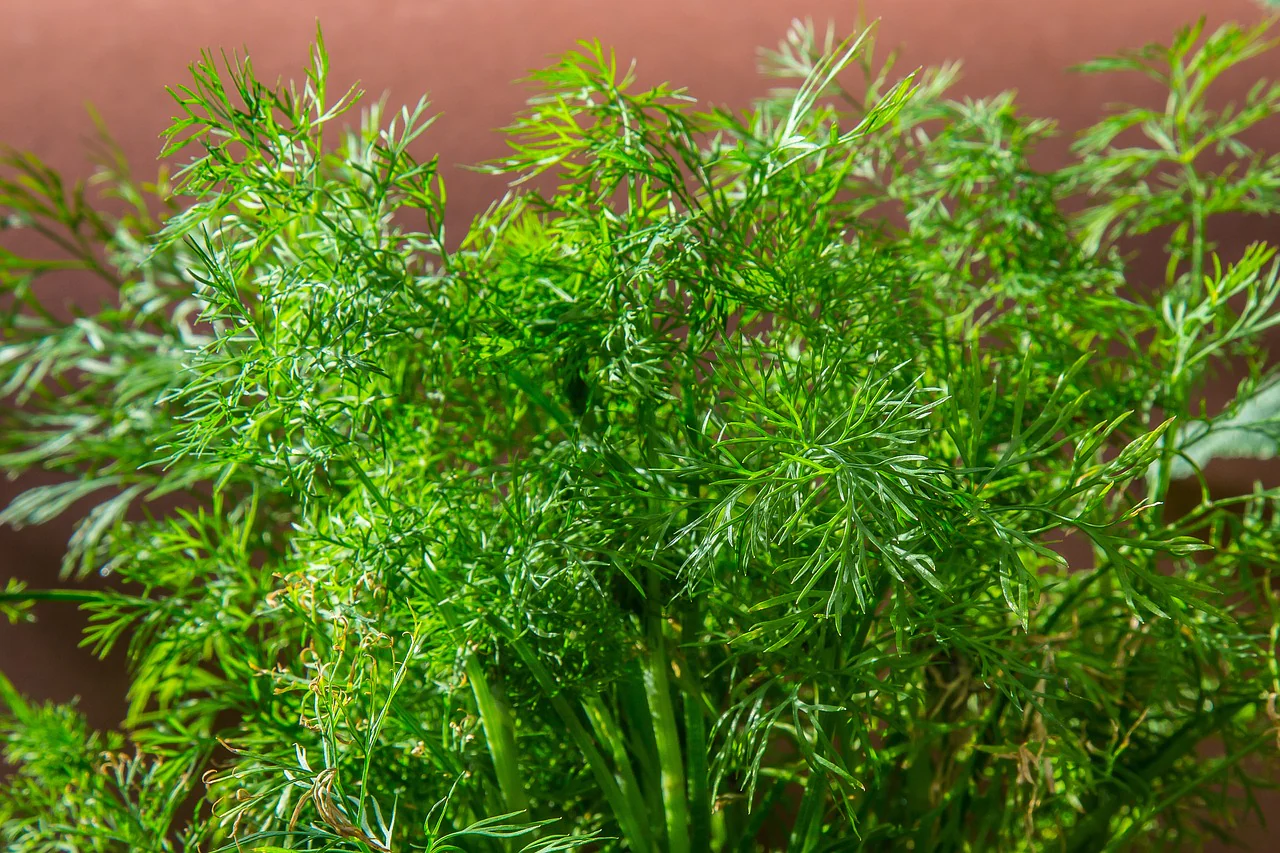
- Dukat dill is a particularly fine plant with amazing flavor and large heads. If you like dill you will love to try this new variety in your garden
- This variety is darker than most other dill varieties.
- Excellent fresh or dried.
- Grown for homemade dill pickles.
- Can be grown in containers, raised beds, and any other location in full sun.
- Annual plant.
- Adds great flavor and color to many culinary creations.
Additional Details
Dill has a very long history of herbal use going back more than 2,000 years. The seeds are a common and very effective household remedy for a wide range of digestive problems. An infusion is especially efficacious in treating gripe in babies and flatulence in young children. The seed is aromatic, carminative, mildly diuretic, galactogogue, stimulant and stomachic.
Other Medicinal Properties
Dill is also used in the form of an extracted essential oil. Used either in an infusion, or by eating the seed whole, the essential oil in the seed relieves intestinal spasms and griping, helping to settle colic. Chewing the seed improves bad breath. Dill is also a useful addition to cough, cold and flu remedies, it can be used with antispasmodics such as Viburnum opulus to relieve period pains. Dill will also help to increase the flow of milk in nursing mothers and will then be taken by the baby in the milk to help prevent colic.
See Dill Recipes & Growing Tips on our Pinterest Board
Follow SeedsNow.com's board Dill on Pinterest. - Dukat dill is a particularly fine plant with amazing flavor and large heads. If you like dill you will love to try this new variety in your garden
-
Spotted Bee Balm, Wild Bergamot Flowers
From $399 USDUnit price /UnavailableDescription

- The Spotted Bee Balm plant produces a beautiful plant with purple spotted flowers known to attract bees and other beneficial garden pollinators
- Common names: bee balm, horsemint, oswego tea, and wild bergamot
- Smell is similar to Thyme
- Has been used in teas and for other medicinal purposes
- This plant is drought tolerant. Grows well in dry conditions, requiring little water to grow
- Can grow up to 40" tall
- Perennial
- The Spotted Bee Balm plant produces a beautiful plant with purple spotted flowers known to attract bees and other beneficial garden pollinators
 Choose options$3.99Add to cart
Onion Transplants (Long Day) - OG Sweet Spanish, Yellow *pre-order*
From $399 USDUnit price /UnavailableDescription
Quick Overview
How to Plant Bulb OnionsAn extremely long storing yellow onion. Larger size than most, better uniformity, and higher yield potential. Medium-large, blocky bulbs with dark yellow skin and thin necks that dry quickly. ORGANIC
• Long day• Keeps well when stored
• Great flavor and beautiful color
Onion bulbs are quite hardy and can withstand 20° F frost. They should be set out 4-6 weeks prior to the last expected frost. When your plants arrive they should appear to be quite dry. DO NOT WET THEM NOR STICK THEIR ROOTS IN WATER. Unpack them and store them in a cool, dry place until it is time to plant. They should last about 3 weeks kept this way. Do not worry that your plants seem dry. They will "shoot" new roots and new, green tops as soon as they are planted.

Cauliflower - Violetta (Purple)
From $399 USDUnit price /UnavailableDescription
- This Cauliflower variety produces large purple heads and surrounded by dark green leaves
- Continues to grow well for a long time
- Suitable for successional sowing all year round -
Days to Maturity | 65 days
-
Cauliflower Seeds | Cauliflower is an annual cool-season crop, half-hardy to frost and light freezes. Plant in rows 2 1/2 to 3 feet apart, with 2 feet between plants.
Click here for complete Cauliflower grow guide
- This Cauliflower variety produces large purple heads and surrounded by dark green leaves


🌱 Featured Seed Types (A - Z)
View all


continue shopping