


Mint - Peppermint seeds
Description
Description

Growing Peppermint: A Gardener's Guide to This Refreshing Herb
Peppermint is one of the most versatile and rewarding herbs you can grow in your garden. Whether you're planning to use it for tea, cooking, or simply enjoying its invigorating aroma, this hardy plant thrives with minimal care and produces abundantly throughout the growing season.
Why Grow Peppermint?
Beyond its delicious flavor, peppermint offers numerous benefits. It's naturally pest-resistant, attracts pollinators, and grows vigorously in most climates. Fresh peppermint leaves are far superior to dried versions you'll find in stores, and homegrown plants ensure you know exactly what you're consuming—no additives or preservatives.
Planting Peppermint
Peppermint prefers partial shade and moist, well-draining soil. Plant it in spring after the last frost, spacing plants about 12 inches apart. You can start from seeds, but many gardeners find that transplants or root divisions establish faster. One important tip: peppermint spreads aggressively through underground runners, so consider planting it in containers or a designated bed to prevent it from taking over your garden.
Watering and Care
Keep the soil consistently moist but not waterlogged. Water deeply once or twice weekly, depending on your climate and rainfall. Peppermint is relatively low-maintenance—it doesn't require heavy fertilizing, though a light application of compost in spring supports healthy growth. Pinch back the tops regularly to encourage bushier plants and prevent flowering, which extends your harvest window.
Harvesting Your Peppermint
Begin harvesting leaves once the plant is established, typically 6 to 8 weeks after planting. Pinch off leaves as needed for fresh use, or cut entire stems just above a leaf node. For the best flavor, harvest in the morning after the dew dries. You can harvest continuously throughout the growing season, and the plant will keep producing new growth.
Storing and Using Fresh Peppermint
Fresh leaves can be refrigerated in a plastic bag for up to two weeks. For longer storage, dry leaves by hanging stems upside down in a warm, dark place for one to two weeks, then strip the leaves and store in an airtight container. Dried peppermint makes excellent tea and retains its flavor for several months.
Growing peppermint is a simple way to add fresh flavor to your kitchen and create a beautiful, fragrant garden space. Start with just one or two plants, and you'll likely have more peppermint than you can use.
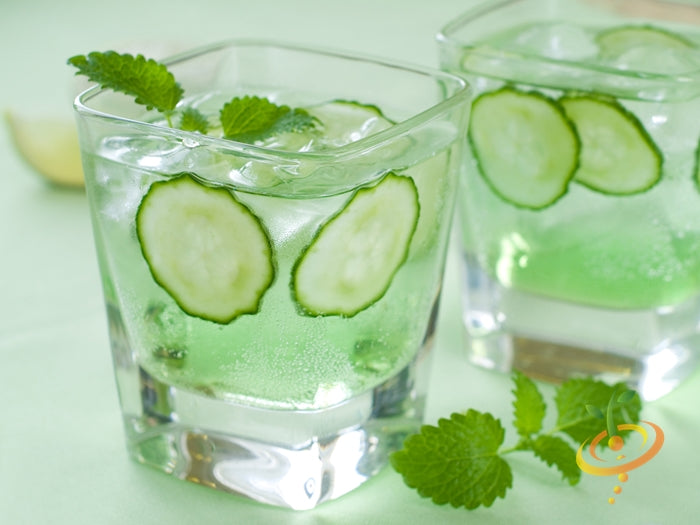
Click here to see 7 Awesome Mint Drink Recipes HERE
Follow SeedsNow.com's board Mint on Pinterest.
Frequently Asked Questions
What is the scientific name of the peppermint plant used for growing seeds?
What are the best conditions for growing peppermint from seeds?
How do I plant and care for my peppermint herb garden?
Can peppermint seeds be started indoors or should I plant them outdoors?
What are some tips for harvesting peppermint leaves at their peak flavor?
How does peppermint plant care vary depending on my climate?
Is peppermint from seeds easier to grow in containers or in a garden bed?
What is the difference between growing peppermint from seeds versus transplants?
How can I keep my peppermint plant healthy and prevent it from spreading too much?
What are the benefits of growing my own peppermint herb at home?
How do I store fresh or dried peppermint leaves after harvesting?

Mint - Peppermint seeds

continue shopping ...
🌱 Featured Collections
View seed catalog


We now accept the following payment methods
About Our Seeds
About Our Seeds

|
ABOUT OUR SEEDS Our seeds do not contain any exogenously inserted embryogenesis deactivator genes caused by human intervention or by any other method. We also offer a few hybrid varieties on this website and they will be labeled as such on product listing. |
|
MOISTURE-PROOF SEED PACKAGING All our seeds are packaged in high quality re-sealable moisture-proof packs designed to protect & extend the shelf-life of your seeds. We do NOT use paper envelopes. Read frequently asked questions |
|
5-STAR CUSTOMER SUPPORT |
|
SATISFACTION. GUARANTEED. |
|
HIGHEST QUALITY SEEDS |
|
TOTALLY RAW & UN-TREATED |

Know where your food comes from.
Support local growers.
Grow your own Organic/GMO-FREE food!

More Information: [What is GMO?] [Step-by-Step Grow Guides] [Safe Seed Pledge] [FAQs]
WE DO NOT GROW OR SELL SEEDS FROM MONSANTO OR ANY OTHER COMPANY THAT IS AFFILIATED WITH GMO.
✓ NON-GMO
✓ HEIRLOOM
✓ OPEN-POLLINATED (OP)
✓ RAW, NATURAL & UN-TREATED
Safe Seed Pledge
Safe Seed Pledge
OUR PLEDGE TO YOU
Agriculture and seeds provide the basis upon which our lives depend. We must protect this foundation as a safe and genetically stable source for future generations.
For the benefit of all farmers, gardeners and consumers who want an alternative. We pledge to you that we do not knowingly buy or sell genetically engineered seeds or plants. The mechanical transfer of genetic material outside of natural reproductive methods and between genera, families or kingdoms, poses great biological risks as well as economic, political, and cultural threats.
We wish to support agricultural progress that leads to healthier soils, genetically diverse agricultural ecosystems and ultimately healthy people and communities.
We do not buy - OR - grow any seed from large corporations that make Genetically Engineered seeds. We don't touch that stuff and we never will.
The seeds we offer aren't like varieties you'd typically find at a garden center.
Every variety we offer is 100% OP (open-pollinated). Open-pollination means that you can safely save the seed after harvest and preserve a collection of heirloom seed for many generations to come.
To make it perfectly clear ... Our seeds do not contain any exogenously inserted embryogenesis deactivator genes caused by human intervention.
⭐⭐⭐⭐⭐
Highest Quality Seed, Guaranteed
... continue shopping!


