From $399 USDUnit price /Unavailable
Description

Tomato - Thessaloniki (Indeterminate)
From $399 USDUnit price /UnavailableDescription
The Thessaloniki Tomato is a Greek heirloom. A tomato so epic that Homer could have written an ode to its plump round fruits that ripen from golden yellow to vivid red, high yields in high temps, and a rich, earthy flavor that’s well-balanced between sweet and acidic. This one’s a keeper, both in the garden and on the countertop. By the time you eat a few of these, you may even be able to pronounce it.
- Well-balanced flavor
- Heat tolerant
- Early producer
- Stores well
SEED PLANTING INFO
- Botanical name: Solanum lycopersicum
- Growth type: Indeterminate, trellis support, regular pruning
- Tomato size: Medium
- Depth to plant seeds: .25" deep
- Spacing between plants: 24" apart
- Spacing between rows: 36"-48" apart
- Days to germinate (sprout): 7-14 days
- Germination soil temps: 75F-95F
- Soil needs: 6.0-6.5 pH
- Sun needs: Full sun
- Frost hardy: No
- Planting season: Spring, summer
- # of plants per sq. ft.: Appx. 1 plant per 2 sq. ft.
- Days to maturity: 75-80 days
Click here to view our full Tomato grow guide
Good companion plants: Basil, Borage, Onion, Parsley, Pepper
-
Snapdragon, GIANT Maximum Mix Flowers
From $399 USDUnit price /UnavailableDescription

Sprouts/Microgreens - Pea, Brown Speckled
From $399 USDUnit price /UnavailableDescription
- Organic
- Ready to eat as a sprout just a soon as they pop.
- Sweet and delicious in salads and casseroles.
- Day to Maturity | 3-7 days
Follow SeedsNow.com's board Green Pea Sprouts on Pinterest.  From $399 USDUnit price /Unavailable
Description
The Nodding Catchfly (Silene pendula) is a bushy, vigorous, low-growing annual. So named because small flies and gnats get stuck in the sticky seed pod. Produces clusters of charming pink blossoms with notched petals around a light pink center. Grows 6"-10" tall on a nodding stem with hairy, oval foliage. Beautiful cascading over a hanging basket or stone wall.
- Life cycle: Annual
- Bloom season: Spring, summer
- Attracts: Hummingbirds, bees, butterflies, moths, and other pollinators
- Flower meaning: Gentleness, youthful love
SEED PLANTING TIPS
- Botanical name: Silene pendula
- Hardiness zones: 4-9
- Planting season: Spring, fall
- Days to maturity: 60-90 days
- Cold stratify: Yes
- Depth to plant seeds: Lightly cover - seeds need light to germinate
- Spacing between plants: 8"-12" apart
- Days to germinate (sprout): 7-14 days
- Germination soil temps: 60F-70F
- Soil types: Clay, sandy, loamy, moist, well-drained
- Soil pH: 5.5-6.5
- Water needs: Average
- Sun needs: Full sun, part shade
- Frost tolerant: Yes
- Drought tolerant: Yes
- Deer resistant: Yes
-
From $399 USDUnit price /Unavailable
Description
The Snow White Carrot (Daucus carota) is a creamy white carrot with a crispy crunch and mild, sweet flavor. Grows 7" long with a tapered root. Harvest sooner for small carrots. Half-hardy to frost and light freezes. Good steamed, roasted, and fresh.
- Sweet and crunchy
- Size: 7" long
- Days to germinate (sprout): 7-21 days
- Days to maturity: 70-75
Good companion plants: Broccoli, Cauliflower, Chives, Lettuce, Onion, Parsley, Peas, Rosemary, Sage, Thyme, Tomato
SEED PLANTING TIPS
- Depth to plant seeds: .25" deep
- Spacing between plants: 2" apart
- Spacing between rows: 18"-24" apart
- Days to germinate (sprout): 7-21 days
- Germination soil temps: 65F-85F
- Soil needs: 6.0-6.8 pH
- Sun needs: Full sun
- Hardiness: Half-hardy to frost and light freezes
- Planting season: Spring, fall
- # of plants per sq. ft.: Appx. 16 plants per sq. ft.
- Days to maturity: 70-75 days
 Choose options$3.99Add to cart
Onion Transplants (Long Day) - OG Sweet Spanish, Yellow *pre-order*
From $399 USDUnit price /UnavailableDescription
Quick Overview
How to Plant Bulb OnionsAn extremely long storing yellow onion. Larger size than most, better uniformity, and higher yield potential. Medium-large, blocky bulbs with dark yellow skin and thin necks that dry quickly. ORGANIC
• Long day• Keeps well when stored
• Great flavor and beautiful color
Onion bulbs are quite hardy and can withstand 20° F frost. They should be set out 4-6 weeks prior to the last expected frost. When your plants arrive they should appear to be quite dry. DO NOT WET THEM NOR STICK THEIR ROOTS IN WATER. Unpack them and store them in a cool, dry place until it is time to plant. They should last about 3 weeks kept this way. Do not worry that your plants seem dry. They will "shoot" new roots and new, green tops as soon as they are planted.
-
Hollyhock, Summer Carnival Mix Flowers
From $329 USDUnit price /UnavailableDescription
This Summer Carnival Mix (Alcea rosea) produces towering spikes that can grow to 9' tall with saucer-sized blooms in all sorts of different colors.
Heat and cold-tolerant, this biennial blooms its first year. Prefers full sun, but can tolerate part shade, even under a Black Walnut tree. The leaves, buds, and petals are edible.
- Life cycle: Biennial
- Bloom season: Summer, fall
- Attracts: Birds, hummingbirds, bees, butterflies, and other pollinators
- Flower meaning: Abundance, ambition, femininity, fertility, fruitfulness
SEED PLANTING TIPS
- Botanical name: Alcea rosea
- Hardiness zones: 2-10
- Planting season: Summer, fall
- Days to maturity: 2nd year
- Cold stratify: Yes
- Depth to plant seeds: Lightly cover - seeds need light to germinate
- Depth to plant seeds: Surface sow
- Spacing between plants: 18"-36" apart
- Days to germinate (sprout): 10-21 days
- Germination soil temps: 60F-70F
- Soil types: Sandy, loamy, chalky, rich, moist, well-drained
- Soil pH: 6.0-8.0
- Water needs: Average
- Sun needs: Full sun, part shade
- Frost tolerant: Yes
- Drought tolerant: Yes
- Deer resistant: Yes
-
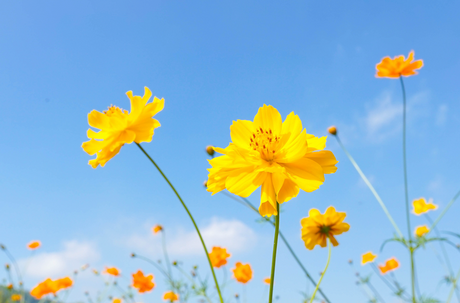
Cosmos, Orange Sulphur Flowers
From $399 USDUnit price /UnavailableDescription
Orange sulphur cosmos, also known as Cosmos sulphureus, are vibrant and easy-to-grow flowers that can add a pop of color to any garden. If you're looking to brighten up your outdoor space with these stunning blooms, here's everything you need to know about growing orange sulphur cosmos in your garden.
Orange sulphur cosmos are annual flowers that belong to the Asteraceae family. They are native to Mexico and Central America but are now popular in gardens around the world. These flowers are known for their bright orange blooms that attract butterflies and other pollinators.
Aside from their stunning appearance, orange sulphur cosmos offer several benefits to your garden. They attract pollinators like butterflies and bees, helping to support local ecosystems. These flowers also make excellent cut flowers, adding a burst of color to floral arrangements.
-
Sunflower, Evening Sun Flowers
From $399 USDUnit price /UnavailableDescription
The Evening Sun Sunflower (Helianthus annuus) is a striking annual plant that can enhance any garden with its vibrant colors and unique characteristics. This variety is particularly noted for its multi-colored blooms, which can range from deep red to golden yellow, creating a stunning visual display. The plant typically grows to a height of 5 to 7 feet, making it a prominent feature in garden landscapes.
One of the key benefits of the Evening Sun Sunflower is its ability to attract pollinators. Studies have shown that sunflowers are highly effective at drawing in bees and butterflies, which are essential for the pollination of many garden plants. In fact, a single sunflower can attract up to 20 different species of pollinators, thereby enhancing the biodiversity of the garden ecosystem.
In terms of cultivation, the Evening Sun Sunflower thrives in full sun and well-drained soil. It is recommended to plant seeds after the last frost date, as sunflowers are sensitive to cold temperatures. The seeds should be spaced approximately 12 to 18 inches apart to allow for adequate growth and airflow. Once established, these sunflowers require minimal maintenance, making them an excellent choice for both novice and experienced gardeners.
Furthermore, the Evening Sun Sunflower is known for its resilience. It can tolerate drought conditions once established, which is particularly beneficial in regions with variable rainfall. Research indicates that sunflowers can survive with as little as 1 inch of water per week, making them a sustainable choice for water-conscious gardeners.
In addition to their aesthetic appeal, Evening Sun Sunflowers also have practical uses. The seeds produced by these plants are edible and can be harvested for consumption. They are rich in nutrients, including vitamin E, magnesium, and selenium, contributing to a healthy diet. Moreover, sunflower oil, extracted from the seeds, is widely used in cooking and food production.
Overall, the Evening Sun Sunflower is an excellent addition to any garden. Its vibrant blooms, ability to attract pollinators, and minimal maintenance requirements make it a favored choice among gardeners. By incorporating this plant into your garden, you not only enhance its beauty but also contribute to a healthier ecosystem.
-
Onion - Grano, White (Short Day)
From $399 USDUnit price /UnavailableDescription
-
White Grano onions are medium-sized white onions
- A perfect variety for slicing and canning
- A crisp and mild flavored onion
- Short day onion
-
Days to Maturity | 120 days
Onion Seeds | Onions are easy to grow, have a fairly short growing period and take up little space in the garden. Plant onions 1/4 inch deep and 3 to 4 inches apart in double rows, leaving 6 to 10 inches between rows.
Click here for complete Onion grow guide
-
White Grano onions are medium-sized white onions
-
Columbine, McKana Giants Mix Flowers
From $399 USDUnit price /UnavailableDescription
The Columbine McKana's plant, scientifically known as Aquilegia caerulea, is a perennial flowering plant that belongs to the Ranunculaceae family. This plant is renowned for its distinctive, bell-shaped flowers that come in a variety of colors, including blue, purple, and white. The Columbine McKana's is particularly valued in garden settings for its ornamental appeal and ability to attract pollinators such as bees and hummingbirds.
Typically, the Columbine McKana's plant reaches a height of 12 to 36 inches and has a spread of approximately 12 to 18 inches. It thrives in USDA hardiness zones 3 to 9, making it suitable for a wide range of climates. The plant prefers well-drained soil and can tolerate partial shade, although it flourishes best in full sun conditions. It is important to note that while this plant is relatively low-maintenance, it does require regular watering, especially during dry spells.
One of the key benefits of incorporating Columbine McKana's into a garden is its extended blooming period. The flowers typically appear in late spring to early summer, lasting for several weeks. This not only enhances the visual appeal of the garden but also provides a vital food source for pollinators during their active season. Research indicates that gardens with diverse plant species, including flowering plants like Columbine, can increase pollinator populations by up to 50%.
In terms of propagation, Columbine McKana's can be grown from seeds or divisions. When starting from seeds, it is advisable to sow them in late winter or early spring. The seeds require light for germination, so they should be lightly pressed into the soil rather than covered. Germination typically occurs within 2 to 3 weeks under optimal conditions. For those looking to propagate through divisions, it is best to do so in the fall or early spring when the plant is not actively blooming.
It is also worth mentioning that Columbine McKana's is susceptible to certain pests and diseases, including aphids and powdery mildew. Regular monitoring and appropriate cultural practices, such as ensuring good air circulation and avoiding overhead watering, can mitigate these issues. In cases of severe infestations, organic insecticidal soaps may be employed as a control measure.
In conclusion, the Columbine McKana's plant is an excellent addition to any garden, offering both aesthetic beauty and ecological benefits. By understanding its growth requirements and care, gardeners can successfully cultivate this perennial plant, contributing to a vibrant and sustainable garden ecosystem.
 From $399 USDUnit price /Unavailable
Description
Sunn hemp (Crotalaria juncea) is a versatile and beneficial plant that can be an excellent addition to any garden. Known for its rapid growth and ability to improve soil health, sunn hemp is often used as a cover crop, green manure, and forage.
This leguminous plant is particularly valued for its nitrogen-fixing capabilities, which can enhance soil fertility and structure.
One of the primary advantages of growing sunn hemp is its ability to fix atmospheric nitrogen. Studies have shown that sunn hemp can increase soil nitrogen levels by up to 200 kg per hectare, making it an effective option for enriching nutrient-depleted soils. This process not only benefits the sunn hemp itself but also subsequent crops planted in the same soil.
In addition to nitrogen fixation, sunn hemp contributes organic matter to the soil. As the plant grows, it produces a substantial amount of biomass, which can be incorporated into the soil to improve its structure and water retention capabilities. This organic matter can enhance microbial activity, leading to a healthier soil ecosystem.
When planting sunn hemp, it is essential to consider the timing and conditions. Sunn hemp thrives in warm temperatures and should be sown after the last frost date in your area. The ideal soil temperature for germination is between 70°F and 85°F (21°C to 29°C). It is recommended to plant sunn hemp in well-drained soils with a pH range of 6.0 to 7.5 for optimal growth.
To establish a successful sunn hemp crop, sow seeds at a depth of 1 to 2 inches (2.5 to 5 cm) and space them approximately 12 to 18 inches (30 to 46 cm) apart. The seeds typically germinate within 7 to 14 days, depending on soil temperature and moisture levels. Once established, sunn hemp can grow rapidly, reaching heights of 4 to 6 feet (1.2 to 1.8 meters) within a few months.
It is important to manage sunn hemp effectively to maximize its benefits. Regular monitoring for pests and diseases is crucial, although sunn hemp is generally resistant to many common garden pests. If the plant begins to flower, it is advisable to terminate it before seed set to prevent unwanted self-seeding and maintain control over its growth.
In conclusion, growing sunn hemp in the garden can provide numerous benefits, including improved soil fertility, enhanced organic matter, and support for a healthy garden ecosystem. By incorporating sunn hemp into your gardening practices, you can contribute to sustainable agriculture and promote a more productive growing environment.
-
From $399 USDUnit price /Unavailable
Description
Alfalfa, a leguminous plant, is not only a valuable forage crop but also an excellent cover crop for your garden. Let's explore the benefits of incorporating alfalfa into your garden rotation.
Improves Soil Health
Alfalfa has a deep root system that can reach up to 20 feet into the soil, helping to break up compacted soil and improve drainage. This deep rooting also allows alfalfa to access nutrients and minerals that are out of reach for other plants, making them available for the next crop in the rotation.
Nitrogen Fixation
One of the key benefits of alfalfa is its ability to fix nitrogen from the atmosphere into the soil. This process not only reduces the need for synthetic fertilizers but also enriches the soil with this essential nutrient, promoting healthy plant growth.
Weed Suppression
Alfalfa's dense growth habit and rapid canopy formation help to suppress weed growth in the garden. By shading out competing weeds, alfalfa can reduce the need for manual weeding and herbicide applications, creating a more sustainable and low-maintenance garden environment.
Enhances Biodiversity
As a leguminous plant, alfalfa attracts beneficial insects such as bees and other pollinators to the garden. These insects play a crucial role in pollinating crops and maintaining a healthy ecosystem. Additionally, the deep roots of alfalfa create channels for beneficial soil organisms, improving overall soil biodiversity.
Soil Erosion Control
The extensive root system of alfalfa helps to anchor the soil, reducing erosion caused by wind and water. By protecting the soil from erosion, alfalfa helps to maintain soil structure and fertility, preserving the health of your garden for future seasons.
In conclusion, incorporating alfalfa as a cover crop in your garden rotation can provide a wide range of benefits, from improving soil health and fertility to enhancing biodiversity and controlling weeds. Consider adding alfalfa to your garden plan to reap these rewards and create a more sustainable and resilient growing environment.
-
Coneflower, Red Prairie (Mexican Hat) Flowers
From $399 USDUnit price /UnavailableDescription
Ratibida columnifera, commonly known as the prairie coneflower or Mexican hat, is a perennial flowering plant belonging to the Asteraceae family. This species is native to the central and western regions of North America, thriving in a variety of habitats, including prairies, open woodlands, and disturbed areas. Its adaptability to different soil types and conditions makes it a valuable addition to gardens focused on sustainability and biodiversity.
One of the notable characteristics of Ratibida columnifera is its distinctive flower structure. The plant typically features a central cone surrounded by drooping, red petal-like ray florets. The height of the plant can range from 1 to 3 feet, making it suitable for both foreground and background planting in garden designs. The flowering period generally occurs from late spring to early fall, providing a long-lasting display of color.
In terms of ecological benefits, Ratibida columnifera serves as an important nectar source for various pollinators, including bees and butterflies. Studies indicate that native plants like Ratibida columnifera can increase pollinator diversity by up to 50% in garden settings. This makes it an ideal choice for gardeners looking to support local ecosystems and promote pollinator health.
Furthermore, this species is drought-tolerant and requires minimal maintenance once established. It is well-suited for xeriscaping and can thrive in poor soil conditions, making it an excellent option for sustainable gardening practices. Ratibida columnifera can also help prevent soil erosion due to its deep root system, which stabilizes the soil and improves its structure.
When incorporating Ratibida columnifera into a garden, it is advisable to plant it in full sun to partial shade, ensuring that it receives adequate light for optimal growth. Spacing should be considered, as these plants can spread over time. A distance of 12 to 18 inches between plants is recommended to allow for proper air circulation and to minimize competition for nutrients.
In summary, Ratibida columnifera is a versatile and beneficial plant for gardens, particularly those aimed at enhancing biodiversity and sustainability. Its aesthetic appeal, ecological contributions, and low maintenance requirements make it a valuable addition to any garden landscape. By choosing to cultivate this native species, gardeners can contribute to the preservation of local flora and fauna while enjoying the beauty it brings to their outdoor spaces.
 From $399 USDUnit price /Unavailable
Description
The Purple Carrot (Daucus carota subsp. sativus) is a fascinating variety of the common carrot, known for its vibrant color and unique nutritional profile. Unlike the more familiar orange carrot, the purple carrot contains high levels of anthocyanins, which are powerful antioxidants that contribute to its distinctive hue. Studies have shown that anthocyanins may help reduce the risk of chronic diseases, including heart disease and certain types of cancer.
In terms of cultivation, purple carrots thrive in well-drained, loamy soil with a pH level between 6.0 and 6.8. They prefer full sun exposure, requiring at least 6 to 8 hours of sunlight daily. When planting, it is advisable to sow seeds approximately 1/4 to 1/2 inch deep and 2 to 4 inches apart. Germination typically occurs within 10 to 20 days, depending on soil temperature and moisture levels.
As the purple carrot matures, it can reach lengths of up to 10 inches, with a tapered shape that is characteristic of the species. Harvesting should occur when the roots are firm and have reached a desirable size, generally around 70 to 80 days after planting. It is essential to handle the roots carefully to avoid bruising, which can affect their quality and shelf life.
In addition to their striking appearance, purple carrots offer a range of culinary uses. They can be consumed raw in salads, roasted, or incorporated into various dishes for added color and flavor. Nutritionally, they are a good source of vitamins A, C, and K, as well as dietary fiber. The presence of antioxidants further enhances their health benefits, making them a valuable addition to any garden.
Gardeners interested in growing purple carrots should also consider companion planting. These carrots pair well with onions, garlic, and leeks, which can help deter pests and improve overall yield. It is important to rotate crops annually to maintain soil health and prevent disease buildup.
In conclusion, the purple carrot plant is not only an aesthetically pleasing addition to any garden but also offers numerous health benefits and culinary possibilities. By providing the right growing conditions and care, gardeners can successfully cultivate this unique variety and enjoy its vibrant color and nutritional advantages.
-
Cover Crop - Clover (Medium Red)
From $399 USDUnit price /UnavailableDescription
Medium Red Clover (Trifolium pratense) is a widely recognized cover crop that plays a significant role in sustainable agriculture and gardening practices. This leguminous plant is particularly valued for its ability to improve soil health, enhance biodiversity, and contribute to sustainable farming systems.
One of the primary benefits of using Medium Red Clover as a cover crop is its nitrogen-fixing capability. Clover plants have a symbiotic relationship with Rhizobium bacteria, which allows them to convert atmospheric nitrogen into a form that is accessible to plants. Research indicates that clover can fix approximately 100 to 200 pounds of nitrogen per acre per year, significantly reducing the need for synthetic fertilizers and promoting a more sustainable approach to soil fertility.
In addition to nitrogen fixation, Medium Red Clover also improves soil structure and health. Its deep taproot system helps to break up compacted soil layers, enhancing aeration and water infiltration. This can lead to improved root development for subsequent crops and increased resilience against drought conditions. Studies have shown that cover crops like clover can increase soil organic matter by 0.5 to 1.5 percent over several years, which is crucial for maintaining soil fertility and structure.
Furthermore, Medium Red Clover serves as an excellent weed suppressor. The dense foliage of clover can outcompete many common weeds, reducing the need for herbicides and manual weeding. This natural weed control mechanism not only saves labor but also minimizes chemical inputs, aligning with organic gardening principles.
Medium Red Clover is also beneficial for attracting beneficial insects and pollinators. The flowers of clover are a rich source of nectar and pollen, supporting a diverse ecosystem in the garden. This can lead to improved pollination rates for other crops and contribute to overall biodiversity in the agricultural landscape.
When incorporating Medium Red Clover into a garden or farming system, it is essential to consider the timing of planting and termination. Clover is typically sown in the late summer or early fall, allowing it to establish before winter. It can be terminated in the spring before planting the main crop, either through mowing or tillage, to incorporate its biomass into the soil, thus enhancing nutrient availability for subsequent crops.
In summary, Medium Red Clover is a valuable cover crop that offers numerous benefits, including nitrogen fixation, soil improvement, weed suppression, and support for beneficial insects. Its use in sustainable gardening practices can lead to healthier soils, reduced reliance on chemical inputs, and increased biodiversity, making it an essential component of modern agricultural systems.
 From $399 USDUnit price /Unavailable
Description
Ammi majus, commonly known as Bishop's White Flower, Greater Ammi, or Queen Anne's lace is an annual flowering plant belonging to the Apiaceae family. This plant is native to regions of the Mediterranean and has gained popularity in various parts of the world due to its ornamental value and ecological benefits.
In addition to its aesthetic appeal, Ammi majus has historical significance in traditional medicine. While it is not widely used in modern herbal practices, some cultures have utilized the plant for its potential medicinal properties, including anti-inflammatory and diuretic effects. However, it is essential to approach such uses with caution and consult with a qualified healthcare professional before considering any medicinal applications.
In conclusion, the Ammi majus flower plant is a versatile and attractive addition to any garden. Its ornamental qualities, ecological benefits, and ease of cultivation make it a valuable choice for gardeners seeking to enhance their landscapes while promoting biodiversity. As with any plant, understanding its growth requirements and potential uses can lead to successful cultivation and enjoyment of this beautiful species.
-
Pepper (Sweet) - Marconi, Golden
From $399 USDUnit price /UnavailableDescription
Are you looking to add a new pepper plant to your garden? Consider the Marconi pepper plant, a popular choice among gardeners for its mild flavor and versatility in the kitchen. Let's explore the ins and outs of growing this plant in your own backyard.
What are Marconi peppers?
Marconi peppers, also known as Italian frying peppers, are elongated, sweet peppers that are typically harvested when they are green or red. These peppers are prized for their thin walls, making them perfect for sautéing, grilling, or roasting. With a mild, slightly sweet flavor, Marconi peppers are a favorite in Mediterranean cuisine.
How to grow Marconi pepper plants
When planting Marconi pepper seeds, it's important to choose a sunny spot in your garden with well-draining soil. These plants thrive in warm weather, so make sure to plant them after the last frost date in your area. Space the plants about 18 inches apart to allow for proper growth.
Water the plants regularly, ensuring that the soil remains consistently moist but not waterlogged. Fertilize the plants every few weeks with a balanced fertilizer to promote healthy growth. As the peppers begin to develop, provide support for the plants to prevent them from bending or breaking under the weight of the fruit.
Harvesting and using Marconi peppers
Marconi peppers can be harvested when they reach their full size, typically around 6-8 inches in length. You can pick the peppers when they are green for a milder flavor or wait until they turn red for a sweeter taste. Simply cut the peppers from the plant using a pair of scissors or pruning shears.
These versatile peppers can be used in a variety of dishes, from stir-fries and salads to sandwiches and pasta dishes. Roast them for a smoky flavor, or pickle them to enjoy their crisp texture year-round. The possibilities are endless with Marconi peppers in your kitchen!
Are you ready to add the Marconi pepper plant to your garden? With the right care and attention, you can enjoy a bountiful harvest of these delicious peppers throughout the growing season. Happy gardening!
SEED PLANTING TIPS
- Botanical name: Capsicum annuum
- Plant support: Tomato cage or stake
- Depth to plant seeds: .25" deep
- Spacing between plants: 18"-24" apart
- Spacing between rows: 24"-36" apart
- Days to germinate (sprout): 7-21 days
- Germination soil temps: 75F-85F
- Soil needs: 6.0-7.0 pH
- Sun needs: Full sun
- Frost hardy: No
- Planting season: Spring, summer
- # of plants per sq. ft.: Appx. 1 plant per 2 sq. ft.
- Days to maturity: 65-80 days
Good companion plants: Basil, Carrot, Cucumber, Eggplant, Okra, Rosemary, Sage, Squash, Tomato
All Peppers ⟐ Sweet Peppers 📚 Sweet Peppers Grow Guide -
Carrot - Scarlet Nantes, 6-7" Long
From $399 USDUnit price /UnavailableDescription
The Scarlet Nantes carrot (Daucus carota subsp. sativus) is a popular variety among home gardeners due to its exceptional flavor, vibrant color, and adaptability to various growing conditions. This heirloom cultivar is characterized by its cylindrical shape, smooth skin, and sweet, crisp texture, making it an ideal choice for both fresh consumption and culinary applications.
Scarlet Nantes carrots typically reach a length of 6 to 7 inches and are known for their bright orange hue, which is indicative of their high beta-carotene content. Beta-carotene is a precursor to vitamin A, essential for maintaining healthy vision, immune function, and skin health. Studies have shown that orange carrots, such as Scarlet Nantes, can contain up to 14,000 micrograms of beta-carotene per 100 grams, contributing significantly to daily nutritional requirements.
This variety thrives in well-drained, loamy soil with a pH range of 6.0 to 6.8. Carrots prefer full sun, requiring at least 6 hours of direct sunlight daily for optimal growth. When planting Scarlet Nantes carrots, it is advisable to sow seeds directly into the garden bed, as they do not transplant well. The seeds should be sown approximately ¼ to ½ inch deep and spaced 2 to 4 inches apart to allow for proper root development.
Scarlet Nantes carrots have a relatively short growing season, typically maturing in about 70 to 80 days. Regular watering is crucial during the germination phase, as consistent moisture helps to ensure even seedling emergence. Once established, these carrots are relatively drought-tolerant, but maintaining adequate soil moisture will enhance their sweetness and overall quality.
One of the notable advantages of growing Scarlet Nantes carrots is their resistance to common pests and diseases. This variety is less susceptible to carrot rust flies and other root pests, making it an excellent choice for organic gardening practices. Additionally, the robust nature of the Scarlet Nantes allows for extended harvest periods, as they can be left in the ground until needed, provided that the soil does not freeze.
In conclusion, the Scarlet Nantes carrot plant is a valuable addition to any garden, offering both nutritional benefits and culinary versatility. By understanding its growth requirements and characteristics, gardeners can successfully cultivate this flavorful variety, contributing to a sustainable and health-conscious lifestyle.
Click here for complete Carrot grow guide
-
Cosmos, Sensations Mix Flowers
From $399 USDUnit price /UnavailableDescription
Cosmos sulphureus, are vibrant and easy-to-grow flowers that can add a pop of color to any garden. If you're looking to brighten up your outdoor space with these stunning blooms, here's everything you need to know about growing yellow sulphur cosmos in your garden.
They are native to Mexico and Central America but are now popular in gardens around the world. These flowers are known to attract butterflies and other beneficial pollinators.
Aside from their stunning appearance, they offer several benefits to your garden. They attract pollinators like butterflies and bees, helping to support local ecosystems. These flowers also make excellent cut flowers, adding a burst of color to floral arrangements.
-
From $399 USDUnit price /Unavailable
Description
The Common Chicory plant, scientifically known as Cichorium intybus, is a perennial herbaceous plant belonging to the Asteraceae family. This plant is notable for its adaptability and resilience, making it a valuable addition to various garden settings. With its striking blue flowers and robust root system, chicory not only enhances the aesthetic appeal of a garden but also contributes to soil health.
Chicory is primarily cultivated for its leaves, which are often used in salads, and for its roots, which can be roasted and ground to produce a coffee substitute. The plant thrives in well-drained soils and prefers full sun to partial shade, making it suitable for a range of gardening environments. It can tolerate drought conditions, which is an advantageous trait for gardeners in arid regions.
In terms of growth, Cichorium intybus can reach heights of up to 1.2 meters (approximately 4 feet) and typically blooms from mid-summer to early fall. The flowers are not only visually appealing but also attract pollinators, such as bees and butterflies, which are essential for maintaining biodiversity in the garden ecosystem.
From a nutritional perspective, chicory leaves are rich in vitamins A, C, and K, as well as minerals such as calcium and potassium. The plant also contains inulin, a type of soluble fiber that supports digestive health. Incorporating chicory into the garden can therefore provide both aesthetic and nutritional benefits.
Furthermore, chicory is known for its ability to improve soil structure and fertility. Its deep taproot helps to break up compacted soil, allowing for better water infiltration and root growth for surrounding plants. This characteristic makes chicory an excellent companion plant in vegetable gardens, where it can enhance the growth of neighboring crops.
In conclusion, the Cichorium intybus plant is a versatile and beneficial addition to any garden. Its combination of ornamental beauty, nutritional value, and positive impact on soil health makes it a worthy consideration for both novice and experienced gardeners alike. By cultivating chicory, gardeners can enjoy a sustainable and productive gardening experience.
-
Pepper (Hot) - Pasillo Beijio 🇲🇽 (Pasilla de Oaxaca) 🔥
From $499 USDUnit price /UnavailableDescription
The Pasillo Beijio pepper, also known as the Pasilla de Oaxaca, is a unique variety of chili pepper that is highly regarded for its rich flavor profile and versatility in culinary applications. This pepper is native to Mexico 🇲🇽 and is often used in traditional dishes, making it a valuable addition to any garden focused on organic produce.
Characterized by its dark green to brownish color, the Pasillo Beijio pepper typically measures between 6 to 8 inches in length. When dried, it transforms into a deep, wrinkled pod that is commonly used in sauces, salsas, and as a seasoning for various dishes. The flavor of the Pasillo Beijio is often described as smoky and earthy, with a moderate heat level that ranges from 1,000 to 2,500 Scoville Heat Units (SHU). This makes it suitable for those who enjoy a mild to medium heat in their culinary creations.
In terms of cultivation, the Pasillo Beijio pepper plant thrives in warm climates and requires full sun exposure for optimal growth. It is advisable to plant these peppers in well-drained soil enriched with organic matter to promote healthy development. The plant typically reaches a height of 2 to 3 feet and can produce a substantial yield, making it an excellent choice for home gardeners looking to grow their own peppers.
When growing Pasillo Beijio peppers, it is essential to monitor the watering schedule carefully. These plants prefer consistent moisture but should not be overwatered, as this can lead to root rot. Fertilization with a balanced organic fertilizer can also enhance growth and fruit production. Harvesting should occur when the peppers are fully mature, which is indicated by their dark color and firm texture.
In addition to their culinary uses, Pasillo Beijio peppers are also rich in vitamins A and C, as well as antioxidants, contributing to their health benefits. Incorporating these peppers into your diet can support immune function and overall health.
In summary, the Pasillo Beijio pepper plant is an excellent choice for gardeners interested in growing flavorful and versatile peppers. With proper care and attention, this plant can yield a bountiful harvest that enhances both the garden and the kitchen.
SEED PLANTING TIPS
- Botanical name: Capsicum annuum
- Plant support: Tomato cage or stake
- Depth to plant seeds: .25" deep
- Spacing between plants: 18"-24" apart
- Spacing between rows: 24"-36" apart
- Days to germinate (sprout): 7-21 days
- Germination soil temps: 75F-85F
- Soil needs: 6.0-7.0 pH
- Sun needs: Full sun
- Frost hardy: No
- Planting season: Spring, summer
- # of plants per sq. ft.: Appx. 1 plant per sq. ft.
- Days to maturity: 75-85 days
Good companion plants: Basil, Carrot, Cucumber, Eggplant, Okra, Rosemary, Sage, Squash, TomatoAll Peppers ⟐ Hot Peppers 📚 Hot Peppers Grow Guide -
Larkspur (Delphinium Consolida), GIANT Imperial Mix Flowers
From $399 USDUnit price /UnavailableDescription
-
Gailardia, Annual Mix (Blanket Flowers) Flowers
From $499 USDUnit price /UnavailableDescription
Gaillardia, commonly known as blanket flowers, are vibrant perennial plants belonging to the Asteraceae family. These flowers are native to North America and are renowned for their striking, daisy-like blooms that exhibit a range of colors, including red, orange, and yellow. The unique coloration and long blooming period make Gaillardia a popular choice for gardeners seeking to add a splash of color to their landscapes.
-
Lettuce - Bronze Mignonette (Butterhead)
From $399 USDUnit price /UnavailableDescription
The Bronze Mignonette lettuce (Lactuca sativa) is a distinctive variety of lettuce known for its unique coloration and flavor profile. This heirloom variety features leaves that are a rich bronze color, which not only adds visual interest to the garden but also provides a slightly nutty taste that is favored in gourmet salads. The leaves are tender and crisp, making them an excellent choice for fresh consumption.
In terms of growth characteristics, the Bronze Mignonette lettuce is a loose-leaf variety that typically reaches maturity in approximately 50 to 60 days after sowing. It thrives in cool weather, making it ideal for spring and fall planting. Optimal growing conditions include well-drained, fertile soil with a pH level between 6.0 and 7.0. This lettuce variety prefers full sun but can tolerate partial shade, particularly in warmer climates.
When planting Bronze Mignonette lettuce, it is recommended to space seeds approximately 12 inches apart to allow for adequate air circulation and growth. Regular watering is essential, particularly during dry spells, as consistent moisture helps to maintain the crispness of the leaves. However, care should be taken to avoid waterlogging, which can lead to root rot.
In terms of nutritional value, lettuce is low in calories and provides a good source of vitamins A and K, as well as folate. The Bronze Mignonette variety, in particular, is noted for its high antioxidant content, which contributes to overall health benefits. Incorporating this lettuce into your diet can enhance your intake of essential nutrients while adding a flavorful component to meals.
Harvesting Bronze Mignonette lettuce can begin when the leaves are large enough to eat, typically around 30 days after sowing. It is advisable to harvest the outer leaves first, allowing the inner leaves to continue growing. This method not only prolongs the harvest period but also ensures that the plant remains healthy and productive.
In conclusion, the Bronze Mignonette lettuce is an excellent addition to any garden, offering both aesthetic appeal and culinary versatility. Its unique flavor and nutritional benefits make it a valuable crop for home gardeners and culinary enthusiasts alike. By understanding its growth requirements and harvesting techniques, gardeners can successfully cultivate this delightful variety and enjoy its fresh taste throughout the growing season.

Daisy, English White (Bellis Perennis) Flowers
From $399 USDUnit price /UnavailableDescription
Commonly known as the daisy, is a perennial flowering plant that belongs to the Asteraceae family. This species is native to Europe but has become widely naturalized in various regions around the world, including North America. The plant is characterized by its distinctive white petals surrounding a yellow central disc, which can create a visually appealing display in gardens.
One of the notable features of Bellis perennis is its ability to thrive in a variety of soil types, although it prefers well-drained, fertile soils. The plant typically grows to a height of 10 to 30 centimeters and can spread up to 25 centimeters in width. Its growth habit is low and rosette-like, making it an excellent choice for ground cover or as an edging plant in garden beds.
Bellis perennis is known for its resilience and adaptability. It can tolerate a range of environmental conditions, including partial shade and full sun. This adaptability allows it to flourish in diverse garden settings, from formal landscapes to wildflower gardens. The plant is also capable of self-seeding, which can lead to naturalized populations in suitable environments.
In terms of flowering, the Bellis perennis typically blooms from early spring to late summer, with peak flowering occurring in late spring. The flowers are not only aesthetically pleasing but also serve as a valuable nectar source for pollinators such as bees and butterflies. This makes the common daisy an important component of biodiversity in garden ecosystems.
From a horticultural perspective, the Bellis perennis is relatively low-maintenance. Regular deadheading can encourage prolonged blooming and prevent the plant from becoming leggy. Additionally, it is advisable to divide the plants every few years to maintain vigor and promote healthy growth. The plant is generally resistant to pests and diseases, although it may occasionally be affected by aphids or fungal infections in overly damp conditions.
In summary, the Bellis perennis flower plant is a versatile and attractive addition to any garden. Its ability to thrive in various conditions, coupled with its appeal to pollinators, makes it a valuable choice for gardeners looking to enhance both the beauty and ecological health of their outdoor spaces. Understanding the characteristics and care requirements of this plant can lead to successful cultivation and a vibrant garden display.
-
Wildflowers - Northeast Seed Mix
From $499 USDUnit price /UnavailableDescription
The Northeast Wildflower Seed Mix is a carefully curated blend of native wildflower species that thrive in the northeastern United States. This mix is designed to support local ecosystems, attract pollinators, and enhance the aesthetic appeal of gardens and landscapes. By incorporating native plants, gardeners can contribute to biodiversity and create sustainable habitats for various wildlife.
Native wildflowers are adapted to the local climate and soil conditions, making them more resilient and easier to maintain compared to non-native species. For instance, many wildflowers in this mix require less water and are more resistant to pests and diseases. Studies indicate that native plants can reduce the need for chemical fertilizers and pesticides by up to 50%, promoting a healthier garden environment.
In addition to their ecological benefits, wildflowers provide essential resources for pollinators such as bees, butterflies, and hummingbirds. Research shows that gardens with a diverse array of native plants can support up to 50% more pollinator species than those with non-native plants. This is crucial for maintaining healthy ecosystems, as pollinators play a vital role in the reproduction of many flowering plants and the production of fruits and vegetables.
When planting a Northeast Wildflower Seed Mix, it is important to consider the specific growing conditions of your garden. Factors such as soil type, sunlight exposure, and moisture levels can significantly influence the success of your wildflower garden. For optimal results, select a location that receives full sun to partial shade and has well-drained soil. It is also advisable to prepare the soil by removing weeds and loosening the top layer to encourage seed germination.
Once planted, the wildflower seeds typically germinate within 7 to 14 days, depending on the species and environmental conditions. It is essential to monitor the garden during the early stages of growth, ensuring that the seedlings receive adequate moisture. After establishment, these wildflowers will require minimal maintenance, allowing gardeners to enjoy a vibrant and low-maintenance landscape.
In conclusion, the Northeast Wildflower Seed Mix is an excellent choice for gardeners looking to enhance their outdoor spaces while supporting local ecosystems. By choosing native wildflowers, gardeners can create beautiful, sustainable gardens that benefit both the environment and the community. With proper care and consideration of local conditions, this seed mix can flourish, providing a stunning display of color and attracting a variety of beneficial wildlife.
-
Onion Transplants (Long Day) - OG Ruby, Red *pre-order*
From $399 USDUnit price /UnavailableDescription
Quick Overview
A long day variety that is small and flat with a ruby red skin. An excellent, unique flavor that can be added to any dish. Sure to be your new favorite! ORGANIC
How to Plant Bulb Onions
Onion bulbs are quite hardy and can withstand 20° F frost. They should be set out 4-6 weeks prior to the last expected frost. When your plants arrive they should appear to be quite dry. DO NOT WET THEM NOR STICK THEIR ROOTS IN WATER. Unpack them and store them in a cool, dry place until it is time to plant. They should last about 3 weeks kept this way. Do not worry that your plants seem dry. They will "shoot" new roots and new, green tops as soon as they are planted. Be sure to specify on your order when you want your plants to arrive. -
From $399 USDUnit price /Unavailable
Description
The Ox-Eye Daisy (Leucanthemum vulgare) is a perennial flowering plant that is commonly found in gardens and natural landscapes. This species is characterized by its distinctive white petals and yellow central disc, making it a popular choice for ornamental gardening. The plant typically reaches a height of 1 to 3 feet and blooms from late spring to early fall, providing a long-lasting display of flowers.
One of the notable features of the Ox-Eye Daisy is its adaptability to various soil types. It thrives in well-drained soils but can also tolerate poorer soil conditions, which makes it an excellent choice for gardeners looking to fill challenging areas. The plant prefers full sun but can also grow in partial shade, although flowering may be reduced in lower light conditions.
In terms of maintenance, the Ox-Eye Daisy is relatively low-maintenance. It requires minimal watering once established, as it is drought-tolerant. However, regular deadheading can promote further blooming and prevent the plant from becoming overly invasive, as it can self-seed readily. It is important to note that while the Ox-Eye Daisy can enhance the aesthetic appeal of a garden, it may also compete with native flora if not managed properly.
From a horticultural perspective, the Ox-Eye Daisy is beneficial for attracting pollinators, including bees and butterflies, which are essential for maintaining biodiversity in garden ecosystems. The flowers provide a source of nectar, contributing to the overall health of pollinator populations. Studies have shown that gardens with a variety of flowering plants, including the Ox-Eye Daisy, can increase pollinator visitation rates by up to 50%.
In addition to its ornamental value, the Ox-Eye Daisy has historical significance in traditional medicine. Various parts of the plant have been used for their anti-inflammatory and antiseptic properties, although scientific evidence supporting these uses is limited. As with any plant, caution should be exercised when considering medicinal applications, and consultation with a qualified professional is recommended.
In summary, the Ox-Eye Daisy is a versatile and attractive addition to any garden. Its ability to thrive in diverse conditions, coupled with its role in supporting pollinator health, makes it a valuable plant for both aesthetic and ecological purposes. Gardeners should consider incorporating this species into their planting schemes to enhance both the beauty and biodiversity of their outdoor spaces.
SEED PLANTING TIPS
- Botanical name: Leucanthemum x superbum
- Hardiness zones: 4-9
- Planting season: Spring
- Days to maturity: 1st or 2nd year
- Cold stratify: Yes
- Depth to plant seeds: Lightly cover - seeds need light to germinate
- Spacing between plants: 18"-24" apart
- Days to germinate (sprout): 14-21 days
- Germination soil temps: 65F-70F
- Soil types: Loamy, moist, well-drained
- Soil pH: 5.5-6.2
- Water needs: Low - do not overwater
- Sun needs: Full sun
- Frost tolerant: No
- Drought tolerant: Yes
- Deer resistant: Yes
-
From $399 USDUnit price /Unavailable
Description
Rudbeckia amplexicaulis, commonly known as the clasping coneflower, is a perennial plant that belongs to the Asteraceae family. This species is native to the eastern and central regions of North America and is recognized for its distinctive yellow flowers and unique foliage. Understanding the characteristics and cultivation requirements of Rudbeckia amplexicaulis can enhance its integration into a garden setting.
One of the notable features of Rudbeckia amplexicaulis is its growth habit. This plant typically reaches a height of 2 to 3 feet and produces flowers that are approximately 2 to 3 inches in diameter. The flowers are characterized by their bright yellow petals that surround a prominent, dark brown central cone. The foliage is lanceolate and clasping, which gives the plant its common name. The leaves can grow up to 6 inches long and are arranged alternately along the stem.
In terms of cultivation, Rudbeckia amplexicaulis thrives in well-drained soils and prefers full sun to partial shade. It is important to note that this species is drought-tolerant once established, making it an excellent choice for low-maintenance gardens. The ideal soil pH for optimal growth ranges from 6.0 to 7.0. Regular watering during the initial establishment phase is recommended, but overwatering should be avoided to prevent root rot.
Rudbeckia amplexicaulis is also known for its resilience against pests and diseases. This hardiness contributes to its popularity among gardeners seeking sustainable and low-maintenance options. However, it is advisable to monitor for common pests such as aphids and spider mites, which can occasionally affect the plant. Implementing integrated pest management strategies can help mitigate these issues.
In terms of propagation, Rudbeckia amplexicaulis can be easily grown from seeds or divisions. Seeds should be sown in the spring or fall, and germination typically occurs within 14 to 30 days under optimal conditions. For division, it is recommended to separate the plants every 3 to 4 years to maintain vigor and prevent overcrowding.
In addition to its aesthetic appeal, Rudbeckia amplexicaulis serves as an important ecological resource. The flowers attract a variety of pollinators, including bees and butterflies, which contribute to the overall health of the garden ecosystem. Furthermore, the plant's seeds provide food for birds during the winter months, enhancing biodiversity in the garden.
In conclusion, Rudbeckia amplexicaulis is a versatile and resilient perennial that can add significant value to any garden. Its striking flowers, low maintenance requirements, and ecological benefits make it an ideal choice for both novice and experienced gardeners. By understanding its growth habits and cultivation needs, gardeners can successfully incorporate this species into their landscapes, promoting both beauty and sustainability.
-
Wildflowers - Southeast Seed Mix
From $499 USDUnit price /UnavailableDescription
The Southeast Wildflower Seed Mix is a carefully curated blend of native wildflower seeds that thrive in the diverse climatic conditions of the southeastern United States. This region, characterized by its warm temperatures and varying soil types, provides an ideal environment for a wide range of wildflower species. Utilizing this seed mix can enhance biodiversity, support local ecosystems, and create visually stunning landscapes.
One of the primary benefits of incorporating a Southeast Wildflower Seed Mix into your garden is the promotion of pollinator health. According to the U.S. Fish and Wildlife Service, native wildflowers are crucial for sustaining pollinator populations, including bees, butterflies, and other beneficial insects. These species are responsible for pollinating approximately 75% of flowering plants and one-third of the food crops in the United States. By planting native wildflowers, gardeners can contribute to the conservation of these essential pollinators.
In addition to supporting pollinators, the Southeast Wildflower Seed Mix can improve soil health. Native plants have adapted to local soil conditions and require less water and fertilizer compared to non-native species. Research indicates that native plants can reduce soil erosion by up to 60% due to their deep root systems, which stabilize the soil and promote water retention. This is particularly important in the southeastern region, where heavy rainfall can lead to soil degradation.
Furthermore, planting a wildflower mix can enhance the aesthetic appeal of gardens and landscapes. The vibrant colors and diverse forms of wildflowers can create a dynamic and visually engaging environment. Studies have shown that gardens featuring native wildflowers can increase property values by as much as 15%, making them an attractive option for homeowners looking to enhance their outdoor spaces.
When establishing a garden with a Southeast Wildflower Seed Mix, it is essential to consider the timing and method of planting. The optimal time for sowing wildflower seeds in the Southeast is typically in the fall or early spring, depending on local climate conditions. It is advisable to prepare the soil by removing any existing vegetation and loosening the top layer to ensure good seed-to-soil contact. A light raking can help incorporate the seeds into the soil, promoting germination.
In conclusion, the Southeast Wildflower Seed Mix offers numerous ecological and aesthetic benefits for gardeners in the southeastern United States. By fostering biodiversity, supporting pollinator populations, improving soil health, and enhancing the visual appeal of landscapes, this seed mix serves as a valuable addition to any garden. As awareness of the importance of native plants continues to grow, incorporating wildflowers into landscaping practices will play a crucial role in promoting sustainable gardening and environmental stewardship.
-
Evening Primrose, Showy Pink Ladies Flowers
From $329 USDUnit price /UnavailableDescription
SEED PLANTING TIPS
- Botanical name: Oenothera speciosa
- Hardiness zones: 4-9
- Planting season: Spring, summer
- Days to maturity: 2nd year
- Cold stratify: Yes
- Depth to plant seeds: Lightly cover - seeds need light to germinate
- Spacing between plants: 12"-18" apart
- Days to germinate (sprout): 15-30 days
- Germination soil temps: 65F-70F
- Soil types: Sandy, loamy, rich, well-drained
- Soil pH: 5.5-7.5
- Water needs: Average
- Sun needs: Full sun, part shade
- Frost tolerant: No
- Drought tolerant: Yes
- Deer resistant: Yes
-
Sprouts/Microgreens - Mustard, Tatsoi
From $399 USDUnit price /UnavailableDescription
Mustard, Sprouts & Micro-Greens
- Mustard is a member of the crucifer family.
- Mustard greens are a popular dish in the Southern U.S. and are an excellent source of vitamins A and C.
- Mustard sprouts have a strong spicy flavor and are usually blended with alfalfa or clover sprouts.
Follow SeedsNow.com's board Mustard on Pinterest. - Mustard is a member of the crucifer family.
-
Wildflowers - Southwest Seed Mix
From $499 USDUnit price /UnavailableDescription
This Southwest Wildflowers Seed Mix is a carefully curated blend of wildflower seeds specifically designed for the unique climatic and soil conditions found in the southwestern United States. This region is characterized by its arid climate, diverse ecosystems, and a rich variety of native flora. The inclusion of wildflowers in garden landscapes not only enhances aesthetic appeal but also contributes significantly to local biodiversity.
Wildflowers serve as vital components of the ecosystem, providing essential habitats and food sources for various pollinators, including bees, butterflies, and hummingbirds. Studies indicate that gardens featuring native wildflowers can increase pollinator populations by up to 50%. This is particularly important as pollinators play a crucial role in the reproduction of many plants, including those that are vital for human food production.
The Southwest Seed Mix typically includes species such as Desert Marigold (Baileya multiradiata), California Poppy (Eschscholzia californica), and Blue Flax (Linum lewisii). These species are not only drought-resistant but also adapted to thrive in poor soil conditions, making them ideal for sustainable gardening practices. The use of native wildflowers can reduce the need for irrigation and chemical fertilizers, aligning with environmentally friendly gardening principles.
When planting the Southwest Seed Mix, it is essential to consider the timing and method of sowing. The optimal time for planting is in the fall or early spring, as this allows the seeds to benefit from natural rainfall and temperature fluctuations. A light raking of the soil followed by a gentle pressing of the seeds into the ground can enhance germination rates. It is advisable to avoid covering the seeds with soil, as many wildflower seeds require light to germinate.
Once established, wildflower gardens require minimal maintenance. Regular monitoring for invasive species is recommended, as these can outcompete native plants and disrupt the ecosystem. Additionally, allowing wildflowers to go to seed at the end of their growing season can promote self-seeding, ensuring a vibrant display in subsequent years.
In summary, incorporating the Southwest Seed Mix into your garden not only beautifies the landscape but also supports local wildlife and promotes ecological health. By choosing native wildflowers, gardeners can contribute to the preservation of regional biodiversity while enjoying the myriad benefits these plants provide.
Wildflower establishment requires some important steps:- Site selection/preparation: It's important to address competition from weeds: pull, till, or use organic herbicides. If planting in the spring/summer you can wait for weeds to germinate, control and then plant the wildflower seeds.
- Seeding: You will want to have good seed to soil contact, broadcasting by hand is a good approach on small plot, may want to mix with an inert carrier, sand or other. Raking in and covering with soil 2-3 times seed thickness.
- Watering: During establishment for the first month, can be from rain in spring or supplement with irrigation.
- Timing: The best time to plant is in spring to early summer and even again in late fall. -
Asparagus (Crowns/Roots) - Jersey Knight (Organic)
From $399 USDUnit price /UnavailableDescription
Organic/F1 Hybrid
The top name in Jersey male asparagus. Phenomenal yields, excellent quality and disease resistant. Dark green spears with purple bracts. Shoot tips hold tighter than other varieties allowing for an extended harvest period.
⚠️ These crowns are 2-year-old bare roots that are all male, which means possibly higher (3-4 times) yields.
CROWN PLANTING TIPS
- Botanical name: Asparagus officinalis
- Depth to plant crowns: 6"-8" deep
- Spacing between plants: 14"-18" apart
- Spacing between rows: 4'-5' apart
- Preferred temps: When daytime temps exceed 75F–85F
- Soil needs: 6.0-7.0 pH
- Sun needs: Full sun, partial shade
- Frost hardy: No
- Planting season: Spring, fall
- # of plants per sq. ft.: Appx. 1 plant per sq. ft.
- Days to maturity: 730 days
ADDITIONAL PLANT INFORMATION
Health Benefits of Asparagus
Asparagus contains high levels of beta carotene and other vitamins and minerals, and is a great diuretic. Need more fiber? Chew on some asparagus. And if you're looking for help controlling diabetes or preventing kidney stones, plant and eat more asparagus.Ways to Eat Asparagus
Asparagus is delicious raw or marinated in a little olive oil, lemon juice, and salt. You can also boil, steam, grill, roast, or sauté the spears. Add some asparagus to your other favorite foods such as soups, risottos, lasagnas, and quiches. To preserve your harvest, can up a few jars of pickled asparagus.• Shop all Asparagus (seeds)
• Shop all Asparagus (roots)
Shop Good Companion Plants for Asparagus 📚 Grow Guide: Asparagus Roots -
Coreopsis, Tall Plains/Golden Tickseed Flowers
From $399 USDUnit price /UnavailableDescription
Tall Plains Flower or Golden Tickseed, scientifically known as Coreopsis tinctoria, is a perennial plant native to the prairies and open fields of North America. This species is particularly valued for its vibrant yellow and reddish-brown flowers, which bloom from late spring to early fall, providing a continuous display of color in the garden. The plant typically reaches heights of 2 to 3 feet, making it a striking addition to any landscape.
One of the key characteristics of Coreopsis tinctoria is its adaptability to various soil types. It thrives in well-drained soils, preferring sandy or loamy conditions, and can tolerate drought once established. This resilience makes it an excellent choice for gardeners looking to create low-maintenance landscapes. In fact, studies have shown that plants like Coreopsis tinctoria can reduce water usage by up to 50% compared to traditional garden plants, contributing to sustainable gardening practices.
The flowers of Coreopsis tinctoria are not only aesthetically pleasing but also serve an ecological purpose. They attract a variety of pollinators, including bees and butterflies, which are essential for maintaining biodiversity in garden ecosystems. Research indicates that flowering plants can increase pollinator populations by as much as 30%, highlighting the importance of incorporating native species like Coreopsis tinctoria into garden designs.
In terms of care, Coreopsis tinctoria requires minimal intervention. Regular deadheading of spent flowers can encourage further blooming and prolong the flowering period. Additionally, this plant is generally resistant to pests and diseases, making it a reliable choice for both novice and experienced gardeners. It is important to note that while Coreopsis tinctoria is a hardy plant, it benefits from occasional fertilization with a balanced fertilizer to promote healthy growth and flowering.
When planning a garden that includes Coreopsis tinctoria, consider its placement in relation to other plants. It pairs well with other native wildflowers and grasses, creating a naturalistic look that mimics its native habitat. Furthermore, planting in groups of three or more can enhance visual impact and provide a more substantial habitat for pollinators.
In conclusion, Coreopsis tinctoria is a valuable addition to any garden, offering both beauty and ecological benefits. Its adaptability, low maintenance requirements, and ability to attract pollinators make it an ideal choice for sustainable gardening. By incorporating this native plant into your landscape, you contribute to the preservation of local ecosystems while enjoying its vibrant blooms throughout the growing season.
- Life cycle: Herbaceous perennial
- Bloom season: Summer
- Attracts: Birds, bees, butterflies, beneficial insects, and other pollinators
- Flower meaning: Always cheerful, friendship, happiness, joy, love at first sight, optimism
SEED PLANTING TIPS
- Botanical name: Coreopsis lanceolata
- Hardiness zones: 4-9
- Planting season: Spring, fall
- Days to maturity: 2nd year
- Cold stratify: Yes
- Depth to plant seeds: Lightly cover - seeds need light to germinate
- Spacing between plants: 8"-12" apart
- Days to germinate (sprout): 7-21 days
- Germination soil temps: 65F-75F
- Soil types: Sandy, loamy, rocky, chalky, moist, well-drained
- Soil pH: 5.5-6.5
- Water needs: Average
- Sun needs: Full sun, part shade
- Frost tolerant: No
- Drought tolerant: Yes
- Deer resistant: Yes
-
Wildflowers - Texas-Oklahoma Seed Mix
From $499 USDUnit price /UnavailableDescription
The Texas-Oklahoma wildflower seed mix is a carefully curated blend of native wildflower species that thrive in the unique climatic and soil conditions of the southern United States. This mix typically includes a variety of species such as Bluebonnets, Indian Paintbrush, and Black-eyed Susans, which not only add vibrant colors to any garden but also support local ecosystems.
Research indicates that planting native wildflowers can significantly enhance biodiversity. According to the U.S. Fish and Wildlife Service, native plants provide essential habitats for pollinators, including bees and butterflies, which are crucial for the pollination of many crops. In fact, approximately 75% of flowering plants depend on animal pollinators to reproduce, highlighting the importance of incorporating native species into garden designs.
When establishing a garden with a Texas-Oklahoma wildflower seed mix, it is essential to consider the soil type and drainage. These wildflowers generally prefer well-drained soils and can tolerate drought conditions, making them suitable for regions with limited water resources. It is advisable to conduct a soil test to determine pH levels and nutrient content, ensuring optimal growth conditions for the selected wildflower species.
In terms of planting, the ideal time to sow wildflower seeds is in the fall or early spring. This timing allows the seeds to undergo natural stratification, which can improve germination rates. It is recommended to prepare the soil by removing any existing vegetation and loosening the top layer to create a suitable seedbed. A general rule of thumb is to sow seeds at a rate of 1 to 2 pounds per 1,000 square feet, depending on the specific mix and desired density.
Once established, wildflower gardens require minimal maintenance. Regular monitoring for invasive species is crucial, as they can outcompete native plants for resources. Additionally, periodic mowing after the wildflowers have set seed can promote new growth and maintain the aesthetic appeal of the garden. Studies show that gardens with diverse plant species can reduce the need for chemical fertilizers and pesticides, promoting a healthier environment.
In conclusion, incorporating a Texas-Oklahoma wildflower seed mix into your garden not only enhances its visual appeal but also contributes to ecological health. By supporting pollinators and promoting biodiversity, these native wildflowers play a vital role in sustaining local ecosystems. With proper planning and care, a wildflower garden can thrive, providing beauty and ecological benefits for years to come.
-
Phacelia, California Bluebell/Desert Bluebell Flowers
From $399 USDUnit price /UnavailableDescription
Phacelia Campanularia, commonly known as the California Bluebell or Desert Bluebell, is a flowering plant that belongs to the Boraginaceae family. This annual herb is native to the southwestern United States and is particularly well-suited for arid and semi-arid regions. Its striking blue flowers, which bloom in spring, make it an attractive choice for gardeners seeking to enhance the aesthetic appeal of their landscapes.
One of the notable characteristics of Phacelia Campanularia is its ability to thrive in poor soil conditions. This plant is often used in xeriscaping, a landscaping method that reduces or eliminates the need for irrigation. Studies indicate that plants like Phacelia Campanularia can reduce water usage by up to 50% compared to traditional landscaping methods. This makes it an ideal choice for environmentally conscious gardeners looking to conserve water resources.
In addition to its drought-resistant qualities, Phacelia Campanularia plays a crucial role in supporting local ecosystems. The flowers are a valuable source of nectar for pollinators, including bees and butterflies. Research has shown that planting native flowering species can increase pollinator populations by as much as 30%. By incorporating Phacelia Campanularia into your garden, you contribute to the health of these essential species and promote biodiversity.
Phacelia Campanularia is also known for its soil improvement properties. As a member of the legume family, it has the ability to fix nitrogen in the soil, enhancing soil fertility. This characteristic can lead to improved growth for neighboring plants, making it a beneficial companion plant in mixed gardens. Studies have demonstrated that intercropping with nitrogen-fixing plants can increase overall crop yields by approximately 20%.
When cultivating Phacelia Campanularia, it is essential to consider its growing conditions. This plant prefers full sun and well-drained soil. It is typically sown directly into the garden in the spring after the last frost. The seeds germinate quickly, often within 7 to 14 days, and the plants reach maturity in about 60 days. Regular deadheading can encourage prolonged blooming and prevent self-seeding, which may be desirable for gardeners looking to maintain control over their garden's layout.
In conclusion, Phacelia Campanularia is not only an aesthetically pleasing addition to any garden but also offers numerous ecological benefits. Its drought tolerance, support for pollinators, and soil-enhancing properties make it a valuable choice for sustainable gardening practices. By incorporating this native flower into your landscape, you can contribute to a healthier environment while enjoying its beauty.
-
Pepper (Hot) - Mushroom, Red 🔥
From $399 USDUnit price /UnavailableDescription
The Hot Mushroom Pepper, scientifically known as Capsicum annuum, is a unique variety of chili pepper that is gaining popularity among gardeners and culinary enthusiasts alike. This pepper is characterized by its distinctive mushroom-like shape and vibrant color, which can range from green to red as it ripens. The plant typically reaches a height of 18 to 24 inches and produces fruit that can measure approximately 2 to 3 inches in length.
One of the notable features of the Hot Mushroom Pepper is its heat level, which is measured on the Scoville scale. This pepper generally falls within the range of 1,000 to 5,000 Scoville Heat Units (SHU), making it a moderately spicy option for those who enjoy a bit of heat in their dishes. For comparison, jalapeño peppers typically range from 2,500 to 8,000 SHU, indicating that the Hot Mushroom Pepper can provide a milder kick.
In terms of cultivation, the Hot Mushroom Pepper thrives in warm climates and requires full sun exposure for optimal growth. It is essential to plant these peppers in well-draining soil enriched with organic matter to ensure healthy development. The ideal soil pH for growing Hot Mushroom Peppers is between 6.0 and 6.8. Regular watering is crucial, especially during dry spells, as the plant prefers consistent moisture without becoming waterlogged.
Harvesting the Hot Mushroom Pepper typically occurs around 70 to 80 days after planting, once the fruit has reached its full size and color. It is advisable to use pruning shears or scissors to cut the peppers from the plant to avoid damaging the stems. The harvested peppers can be used fresh in salads, salsas, or cooked dishes, and they can also be dried or pickled for preservation.
In addition to their culinary uses, Hot Mushroom Peppers are also known for their health benefits. They are rich in vitamins A and C, as well as antioxidants, which can contribute to overall health and well-being. The capsaicin found in peppers has been studied for its potential anti-inflammatory properties and its ability to boost metabolism.
In summary, the Hot Mushroom Pepper plant is an excellent addition to any garden, offering both aesthetic appeal and culinary versatility. With proper care and attention, gardeners can enjoy a bountiful harvest of these unique peppers, enhancing their meals while reaping the health benefits associated with their consumption.
SEED PLANTING TIPS
- Botanical name: Capsicum annuum
- Plant support: Tomato cage or stake
- Depth to plant seeds: .25" deep
- Spacing between plants: 18"-24" apart
- Spacing between rows: 24"-36" apart
- Days to germinate (sprout): 7-21 days
- Germination soil temps: 75F-85F
- Soil needs: 6.0-7.0 pH
- Sun needs: Full sun
- Frost hardy: No
- Planting season: Spring, summer
- # of plants per sq. ft.: Appx. 1 plant per sq. ft.
- Days to maturity: 75-85 days
Good companion plants: Basil, Carrot, Cucumber, Eggplant, Okra, Rosemary, Sage, Squash, TomatoAll Peppers ⟐ Hot Peppers 📚 Hot Peppers Grow Guide -
Wildflowers - North America Seed Mix
From $499 USDUnit price /UnavailableDescription
North America is home to a diverse array of wildflower species, many of which can be successfully cultivated in garden settings. Utilizing a wildflower seed mix specifically designed for North American climates can enhance biodiversity, support local ecosystems, and create visually appealing landscapes. These seed mixes typically contain a variety of native species that are well-adapted to local soil and climate conditions.
Wildflower seed mixes often include species such as Black-eyed Susan (Rudbeckia hirta), Purple Coneflower (Echinacea purpurea), and Butterfly Weed (Asclepias tuberosa) and so much more. Each of these species plays a crucial role in supporting pollinators, including bees and butterflies, which are essential for the health of many ecosystems. Studies indicate that native plants can increase pollinator populations by up to 50%, contributing to improved pollination services for both wild and cultivated plants.
When selecting a wildflower seed mix, it is important to consider the specific growing conditions of your garden. Factors such as soil type, sunlight exposure, and moisture levels can significantly influence the success of wildflower cultivation. For instance, some species thrive in well-drained sandy soils, while others prefer moist, loamy conditions. A well-chosen mix can provide a continuous bloom throughout the growing season, with some species flowering in early spring and others in late summer or fall.
Incorporating a North America wildflower seed mix into your garden can also contribute to soil health. Native wildflowers often have deep root systems that improve soil structure and reduce erosion. Additionally, these plants can enhance nutrient cycling and support beneficial microorganisms in the soil. Research suggests that gardens with diverse plant species can improve soil organic matter by as much as 20%, leading to healthier growing conditions for all plants.
Furthermore, wildflower gardens require less maintenance compared to traditional lawns or ornamental gardens. Once established, many native wildflowers are drought-tolerant and require minimal watering. This can lead to significant water savings, particularly in regions prone to drought. According to the U.S. Environmental Protection Agency, native landscaping can reduce water usage by up to 50% compared to non-native plantings.
In conclusion, incorporating a North America wildflower seed mix into your garden not only enhances its aesthetic appeal but also promotes ecological health and sustainability. By choosing native species, gardeners can support local wildlife, improve soil health, and reduce maintenance efforts, making wildflower gardens a practical and beneficial choice for both the environment and the gardener.
 From $399 USDUnit price /Unavailable
Description
The first thing you should know about the Bird’s Eye Chili Pepper is that it is ... HOT! That’s also the third and fifth things you should know. Small 1"-2", tapered fruit grows on a compact bush and ripens through all the showy colors of a painted bunting, green to purple to orange to red. Pungent with fruity, tropical notes and a serious blast of heat. Use this little Thai chili to add fiery flair to everything from Asian stir fries to Indian curries to South African peri-peri sauce.
- Hot
- Fruity, tropical flavor
- Good for planting in containers & small spaces
- Harvest any color
SEED PLANTING TIPS
- Botanical name: Capsicum annuum
- Pepper length: 1"-2"
- Scoville heat units (SHU): 50,000-100,000/hot
- Plant support: None
- Depth to plant seeds: .25" deep
- Spacing between plants: 12"-18" apart
- Spacing between rows: 18"-24" apart
- Days to germinate (sprout): 7-21 days
- Germination soil temps: 75F-85F
- Soil needs: 6.0-7.0 pH
- Sun needs: Full sun
- Frost hardy: No
- Planting season: Spring, summer
- # of plants per sq. ft.: Appx. 1 plant per sq. ft.
- Days to maturity: 100+ days
Good companion plants: Basil, Carrot, Cucumber, Eggplant, Okra, Rosemary, Sage, Squash, Tomato
-
The Birds Eye pepper is the official wild pepper of Texas. A very hot, often 7x – 8x hotter on the scoville scale than jalapenos!
-
This is a Perennial pepper variety which means that if the soil doesn’t freeze hard in your area, you'll most likely be able to grow these peppers all year round.
-
Easy to grow from seeds.
-
Can be used in place of any hot peppers in many culinary recipes.
-
The commercial hot sauce brand Cholula lists bird peppers as one of its ingredients.
-
Thomas Jefferson first obtained seed of the Bird's Eye Pepper in 1812 from Captain Samuel Brown, who was stationed in San Antonio, Texas. Jefferson recorded planting this pepper in pots and in the kitchen garden in 1814. [source]
All Peppers ⟐ Hot Peppers 📚 Hot Peppers Grow Guide -
Wildflowers - Midwest Seed Mix
From $499 USDUnit price /UnavailableDescription
The Midwest wildflower seed mix is a carefully curated blend of native flowering plants that thrive in the diverse climates of the Midwestern United States. This mix typically includes species such as Black-eyed Susan (Rudbeckia hirta), Purple Coneflower (Echinacea purpurea), and Wild Bergamot (Monarda fistulosa), among others. These plants are not only aesthetically pleasing but also play a crucial role in supporting local ecosystems.
Utilizing a Midwest wildflower seed mix in your garden can yield numerous benefits. Firstly, native wildflowers are adapted to the local environment, which means they require less water and maintenance compared to non-native species. Studies have shown that native plants can reduce water usage by up to 50% once established, making them an environmentally sustainable choice for gardeners.
Moreover, these wildflowers provide essential habitat and food sources for pollinators such as bees, butterflies, and hummingbirds. Research indicates that gardens with native plants can support up to 10 times more pollinator species than those with non-native plants. This increase in biodiversity is vital for the health of ecosystems, as pollinators are responsible for the reproduction of approximately 75% of flowering plants worldwide.
When planting a Midwest wildflower seed mix, it is important to consider the soil type, sunlight, and moisture levels of your garden. Most wildflowers prefer well-drained soil and full sun exposure, although some species can tolerate partial shade. It is advisable to conduct a soil test to determine pH levels and nutrient content, which can guide the selection of appropriate wildflower species for your specific garden conditions.
To establish a successful wildflower garden, it is recommended to prepare the soil by removing any existing vegetation and loosening the top layer. Broadcasting the seeds evenly across the prepared area and lightly raking them into the soil can enhance germination rates. It is crucial to keep the soil moist during the initial growth phase, which typically lasts for several weeks.
In conclusion, incorporating a Midwest wildflower seed mix into your garden not only enhances its visual appeal but also contributes to ecological health. By choosing native species, gardeners can create sustainable landscapes that support local wildlife, reduce resource consumption, and promote biodiversity. As awareness of the importance of native plants continues to grow, the Midwest wildflower seed mix stands out as a practical and beneficial choice for environmentally conscious gardeners.
-
Shiso, Red (Perilla Leaf, Japanese Basil)
From $399 USDUnit price /UnavailableDescription
Red Shiso (Perilla frutescens), also called Perilla Leaf and Japanese Basil, is an herb in the mint family with large, deep purple, wrinkled, serrated leaves. Much stronger and spicier than Green Shiso, the crunchy leaves are used mainly in salads, for pickling, and as a natural food coloring. Used extensively in Japanese cuisine, it has a fresh minty-basil flavor with notes of clove and cumin, and a bitter, astringent finish. Pairs well with fish, rice, noodles, and vegetables, especially cucumbers. Also a medicinal herb with antioxidant, anti-bacterial, anti-inflammatory, and antiseptic properties. Its rhizome root can become invasive, so best grown in a container.
- Mint-basil-clove-cumin flavor
- Full sun
- Days to germinate (sprout): 7-21 days
- Days to maturity: 80-85 days
Good companion plants: Arugula, Basil, Bok Choy, Parsley, Tomato
-
From $399 USDUnit price /Unavailable
Description


🌱 Featured Seed Types (A - Z)
View all


continue shopping